

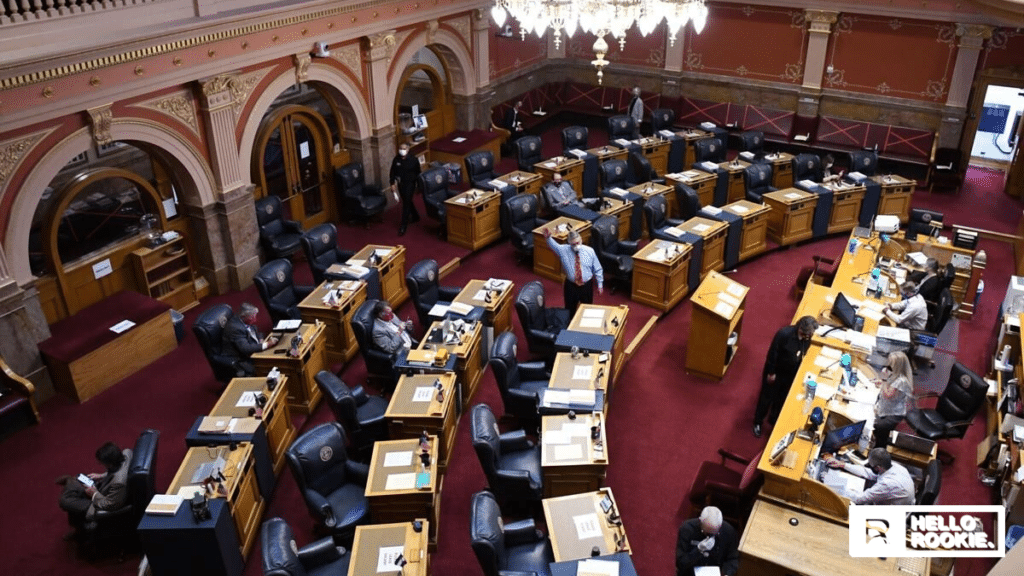
Colorado just demonstrated exactly how difficult it is to ban proposition bets once a state has legalized them and let the market mature. Legislators voted in April 2026 to strip a full prop bet ban from Senate Bill 131, a broader sports betting reform package, after the industry mounted a coordinated lobbying campaign and lawmakers confronted the reality of what the revenue loss would mean for a state already dealing with a serious budget shortfall. For bettors in Colorado, nothing changes — same-game parlays and player props remain available through every licensed operator. But the episode is a telling case study in the political economy of sports betting regulation that has implications far beyond the Rockies.
What Senate Bill 131 Originally Contained
SB 131 was introduced as a package of consumer protection measures targeting practices that bill sponsors linked to compulsive gambling behavior. Among the provisions that drew the most attention was an outright ban on proposition bets — wagers on specific in-game outcomes, including individual player performance statistics, that are not tied to the overall result of a game. Advocates for the ban cited research connecting the fast-moving, high-frequency nature of prop bets to problem gambling, and the NCAA had separately called in January 2026 for states to eliminate prop bets entirely, citing concerns about athlete manipulation and corruption.
The bill’s sponsors also included a ban on accepting credit card deposits, daily deposit limits, restrictions on push notification solicitations, and tighter advertising rules. Several major sportsbooks — DraftKings, FanDuel, BetMGM, and bet365 — lobbied aggressively against the bill through the Sports Betting Alliance, and their opposition ultimately reshaped it before it ever reached a final Senate vote.
Why the Ban Was Dropped
The prop bet ban came off the table on April 22 after Senate Appropriations Committee members confronted the numbers. Banning prop bets was projected to cost Colorado approximately $2.4 million to $2.6 million in sports betting tax revenue in the first fiscal year, money that flows primarily toward state water projects approved by voters. With Colorado already managing a significant budget deficit, lawmakers were not willing to require the general fund to absorb that loss on top of everything else.
Removing the prop bet provision reduced the projected fiscal impact to roughly $800,000, an amount attributable primarily to the credit card ban remaining in the bill. Bill sponsor Senator Matt Ball acknowledged the industry pressure directly. Speaking to Axios Denver, Ball said the gambling industry has “a lot of money, and we’re drastically outspent, and that definitely has an impact on bills, this one included.” He framed the removal of the prop bet ban as a practical decision to preserve the bill’s remaining provisions rather than lose the entire package.
Lawmakers also raised the concern that banning prop bets in Colorado without a corresponding national policy shift could drive bettors to offshore platforms that continue offering those markets without any consumer protection oversight. If the restriction simply redirects Colorado bettors rather than reducing their behavior, the state loses tax revenue without achieving the public health goal the provision was designed to serve.
What the Bill Still Does
SB 131 passed the Colorado Senate 20-14 and moved to the House for consideration with its remaining provisions intact. The bill as amended prohibits operators from accepting credit card deposits for sports betting transactions, caps individual bettors at five deposits within any 24-hour window, bans push notifications and text messages soliciting bets or deposits, and restricts advertising from airing between 8 a.m. and 10 p.m. or during live broadcasts of athletic competitions. Penalties for accepting wagers from users under 21 are also stiffened under the measure. Those are meaningful changes to how sportsbooks interact with Colorado customers, even without the prop bet provision.
Why This Matters Beyond Colorado
The Colorado story is not an isolated case — it is part of a recognizable pattern. In state after state where legal sports betting has been operating for several years, legislators who want to restrict or roll back prop betting face the same structural problem: the tax revenue generated by those products is already built into state budgets and dedicated spending programs. Once that money is flowing, the political cost of cutting it off rises dramatically, especially when competing budget pressures are already severe.
The NCAA and public health advocates are not wrong that prop bets carry distinctive risks. The same-game parlay format that packages several prop legs into a single wager generates high engagement and is designed to keep bettors invested in games at a granular level. The research on micro-betting and compulsive behavior is real. But the political coalition needed to actually enact a ban has to overcome both the revenue argument and the industry’s lobbying resources, and Colorado showed how hard that is to do once a market is established. Colorado sports betting continues on essentially the same terms bettors have known since legalization, and the prop bet debate has simply been deferred rather than resolved.