

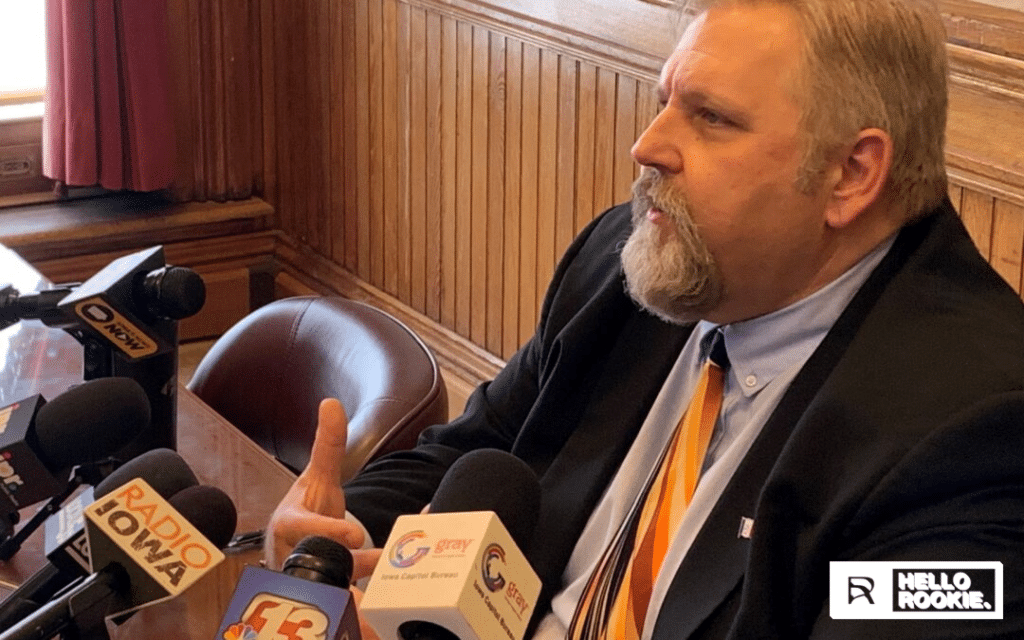
Iowa took a different path on prediction markets than almost every other state, and it is still on that path. While Wisconsin filed criminal-adjacent lawsuits, Minnesota advanced legislation to make operating a prediction market a felony, and Arizona issued criminal charges against Kalshi, Iowa’s Senate passed Senate File 2470 by a staggering 45-1 vote on April 1. Now SF 2470 has cleared a House subcommittee — and the regulate-and-tax model Iowa pioneered is picking up renewed attention as the template that other states might eventually follow.
What SF 2470 Does
Senate File 2470, introduced by Senate Majority Leader Mike Klimesh, would create the first state-level licensing and taxation framework for prediction market operators in the United States. Rather than banning platforms like Kalshi and Polymarket from serving Iowa residents, the bill builds a permitting structure and attaches a tax rate to the revenue they generate in the state.
To operate legally in Iowa under SF 2470, a prediction market platform would need a permit from the Iowa Department of Revenue. The initial application fee is set at $20 million per permit, with annual renewal fees of $100,000 and permits expiring every June 30. The bill imposes a 20 percent tax on adjusted revenues generated from Iowa users — functionally equivalent to the adjusted gross revenue framework most states use for licensed sports betting operators. All permit fees and tax revenue flow into the state’s general fund.
Individual Iowa traders also face new obligations. Gains from event-driven contracts would be treated as Iowa taxable income, platforms would be required to withhold state income taxes on payouts exceeding $600, and loss deductions would be capped at 90 percent of gains for those who itemize.
The Iowa Department of Revenue’s own fiscal note on the bill projects that two platforms — almost certainly Kalshi and Polymarket — would enter the Iowa market and pay the initial permit fee in the first year, generating approximately $40 million in General Fund revenue in fiscal year 2027. Ongoing annual tax revenue from those platforms’ Iowa operations would add millions more in subsequent years.
Why Iowa Is Zigging While Others Zag
The contrast between Iowa’s approach and the enforcement-first states is stark. Arizona filed 20 criminal counts against Kalshi in March. Wisconsin sued Kalshi, Robinhood, Polymarket, Coinbase, and Crypto.com in April, alleging illegal sports betting. Minnesota advanced legislation that would make operating or advertising certain prediction markets a felony. These states are treating prediction market platforms as unlicensed gambling operators that need to be shut down and prosecuted, not structured into tax revenue frameworks.
Iowa’s lawmakers looked at the same industry and concluded that the more productive question was not whether these platforms should operate, but how to make sure Iowa got paid while they did. The 45-1 Senate vote — which included the votes of a Republican-dominated chamber — suggests this pragmatic reasoning was not particularly controversial once the framework was laid out.
The Iowa approach also reflects a specific bet on where the legal fight is headed. Kalshi preemptively sued Iowa’s attorney general before the Senate vote, arguing that CFTC jurisdiction over derivatives markets preempts any state gambling regulation. The federal preemption question is the central unresolved issue in the entire industry, and it is working its way toward the Supreme Court through conflicting circuit court rulings. States that build a licensing framework now — rather than burning resources on enforcement that federal courts might eventually block — are positioning themselves to capture revenue regardless of which way the Supreme Court rules. If federal preemption wins the day, state bans will be struck down anyway. If it loses, licensed operators are already in place.
What the House Means for SF 2470
The House subcommittee passage is a meaningful step, but the bill still needs committee attention and a floor vote before the Iowa legislature’s session ends. House Speaker Pat Grassley, asked about SF 2470 in early April, said the House was still “working through” the prediction market question. The subcommittee passage suggests that deliberation is moving toward a concrete path rather than stalling.
Whether the full House votes on SF 2470 this session will likely come down to two factors: how the courts move in the coming weeks, and how much appetite Iowa lawmakers have for being first. If the Sixth Circuit rules against Kalshi in Ohio, or if the Supreme Court agrees to take up the preemption question, the calculus for Iowa House members changes significantly — both the urgency of establishing a framework and the political exposure of being the first state to legitimize these platforms become much more visible.
For bettors in Iowa using prediction market platforms, SF 2470’s House progress means the state remains on a path toward preserving legal access to these markets under a regulated structure rather than cutting it off. That is a materially different outcome than what residents in Arizona, Nevada, or Wisconsin are facing. Whether the House completes the job before session ends, or whether this carries into 2027, is the next question to watch in what has become the most consequential state-level gambling legislative story of the year.