
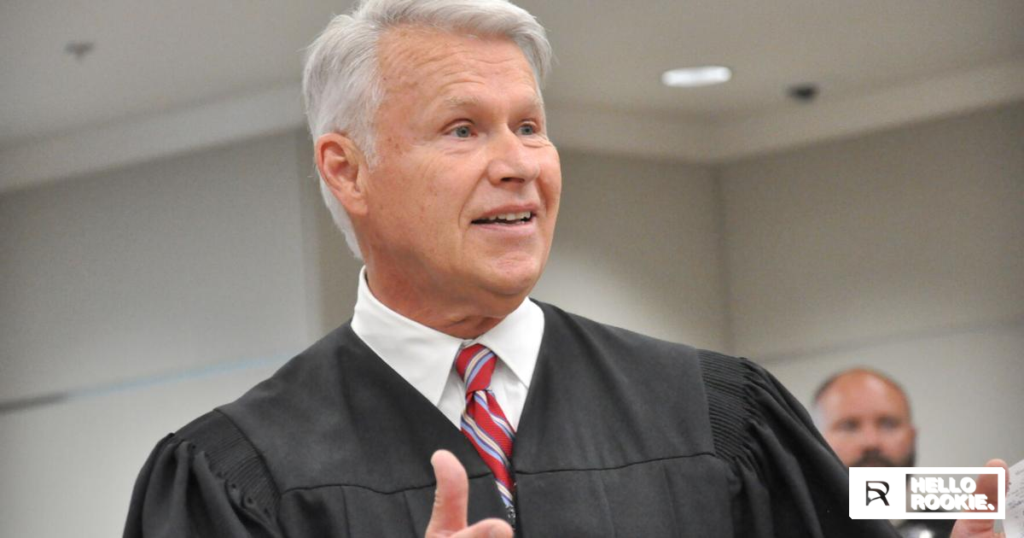
A federal judge in Wisconsin delivered what may be the most significant legal ruling yet in the ongoing battle between Native American tribes and prediction market platforms. On May 12, 2026, US District Judge William M. Conley ruled that the Ho-Chunk Nation’s IGRA-based claims against Kalshi can move forward — and went further, writing that the tribe has shown “a likelihood of success” in its complaint. That’s a phrase judges don’t use casually. It’s the clearest signal yet from a federal court that prediction markets may not be as legally bulletproof as Kalshi has argued.
Background: How This Lawsuit Started
The Ho-Chunk Nation of Wisconsin filed suit against Kalshi and its partner Robinhood in August 2025 in the U.S. District Court for the Western District of Wisconsin. The tribe’s argument is rooted in the Indian Gaming Regulatory Act of 1988 — IGRA — which governs gaming on tribal lands. Under the Ho-Chunk Nation’s compact with Wisconsin, the tribe holds exclusive rights to Class III gaming on its land. Class III includes most casino-style games and, the tribe argues, sports betting.
Kalshi offers sports event contracts — essentially trades tied to the outcomes of sporting events — through a platform regulated by the Commodity Futures Trading Commission (CFTC) as a designated contract market. Kalshi’s position has been consistent across multiple lawsuits: its contracts are derivatives, not gambling; the CFTC regulates them, not state or tribal gaming authorities; and IGRA was written in 1988, long before internet-based prediction markets existed. Therefore, Kalshi argues, tribal gaming law simply doesn’t apply.
What Judge Conley Ruled
Judge Conley’s ruling allows the Ho-Chunk Nation’s IGRA claims to proceed. He found the tribe has demonstrated a likelihood of success on the merits — a standard that means the legal arguments have real weight and aren’t merely speculative. This is notable because similar efforts by tribes in California had not fared as well. In November 2025, a federal judge in the Northern District of California denied three tribes’ request for a preliminary injunction against Kalshi, finding they had not shown a likelihood of success on the record before that court.
The Wisconsin ruling is different. Sixteen other tribes filed an amicus brief backing the Ho-Chunk Nation’s position, arguing that a ruling in Kalshi’s favor would create a jurisdictional void — a legal no-man’s-land where no tribal government could enforce its own gaming prohibitions against a third-party platform operating on its lands. Judge Conley’s favorable assessment of the tribe’s IGRA claims suggests that argument found receptive ears in Madison.
Why This Matters for Prediction Markets
Kalshi has expanded rapidly since sports event contracts became available, offering markets on game outcomes that function similarly to sports bets — but through a federally regulated financial exchange rather than a state-licensed sportsbook. The legal theory underpinning Kalshi’s tribal-land operations is that because its contracts are derivatives regulated by the CFTC under the Commodity Exchange Act, IGRA cannot touch them.
If courts ultimately agree with the Ho-Chunk Nation that IGRA applies — and that tribes have standing to enforce it against third-party operators like Kalshi — it could force Kalshi to restrict or block access on tribal lands across the country. Sixteen tribes are already aligned behind this position. A trial date in the Wisconsin case has been set for May 24, 2027. Between now and then, there will be pretrial filings, discovery, and at least two pretrial conferences. The restraining order request, which would block Kalshi from operating on Ho-Chunk lands in the meantime, remains pending before the court.
What Sports Bettors Need to Know
For everyday bettors, the Kalshi-versus-tribes litigation is about more than legal technicalities. It’s about whether the prediction market space — which has grown significantly since federal regulators cleared event contracts — can operate nationwide without complying with the same state-by-state licensing framework that traditional sportsbooks must navigate. If tribal gaming law applies to prediction markets, that dramatically changes the legal landscape for the entire industry.
The outcome won’t be resolved quickly — the Wisconsin trial is still a year away, and the California case remains on appeal. But Judge Conley’s ruling is the first meaningful signal from a federal court that the tribes have a viable path forward. It’s a ruling worth paying attention to, whether you use prediction markets, traditional sportsbooks, or both. For a deeper look at how prediction markets work and how they compare to traditional betting, the prediction markets guide breaks it down clearly.