
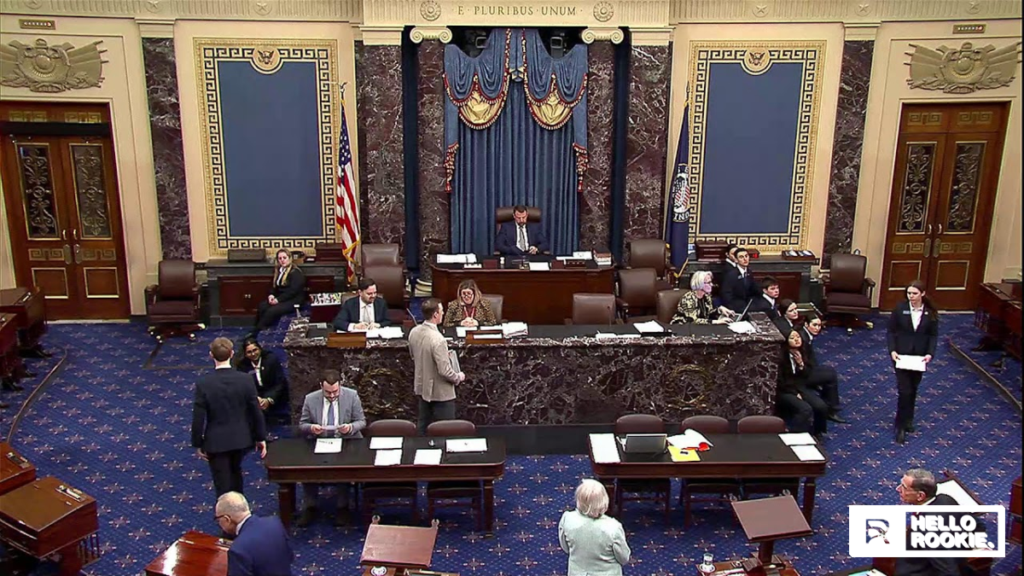
A new federal bill introduced in Congress in June 2026 would ban prediction market contracts tied to sporting events, elections, war, and government actions, representing the most significant federal attempt yet to restrict the rapidly growing sector. The STOP Corrupt Bets Act targets platforms such as Kalshi and Polymarket that allow users to trade event contracts on real-world outcomes, arguing these products function as unregulated gambling and pose integrity risks, particularly when connected to sports. The bill has injected fresh urgency into an already heated debate between state gambling regulators and federally regulated prediction market platforms over who has jurisdiction to govern these products.
The jurisdictional battle has been intensifying throughout 2026. The Commodity Futures Trading Commission has asserted exclusive federal jurisdiction over prediction market products, filing lawsuits against multiple states including Minnesota, New York, Wisconsin, and Illinois that have moved to restrict or ban the platforms under state gambling law. Proponents of federal regulation argue that prediction market contracts are financial derivatives that fall squarely within the CFTC’s remit, while state regulators and law enforcement officials contend that any product where users wager on the outcome of a sporting event is gambling that belongs under state authority.
Broad Scope of the Proposed Prohibition
The STOP Corrupt Bets Act would prohibit prediction market wagers on a wide range of categories including athletic events and games of skill, elections at all levels of government, war and national emergencies, legal proceedings, weather events, deaths and assassinations, and popular culture events including award shows. The breadth of the proposed prohibition closely mirrors the language used by Minnesota when it became the first state to ban prediction markets, with Governor Tim Walz signing legislation in May 2026 that makes the products illegal beginning August 1, pending ongoing legal challenges.
Industry response has been swift and aggressive. Kalshi filed suit against Minnesota within hours of that state’s law being signed, arguing federal law preempts the state measure. The company has also sued New York, where Attorney General Letitia James filed actions against Coinbase Financial Markets and Gemini Titan for allegedly operating unlicensed prediction market platforms in violation of state gambling law. At least 14 other states are reportedly considering legislation that would ban or restrict prediction markets, according to the National Conference of State Legislators.
Federal Politics and What Happens Next
The STOP Corrupt Bets Act’s ultimate fate depends heavily on how Congress responds, which is further complicated by the Trump administration’s stated support for prediction markets as legitimate financial products backed by CFTC oversight. If the federal bill advances, it would directly contradict the administration’s position and force a legislative battle between sports integrity advocates and those favoring expanded prediction market access. Sports bettors who have been using prediction market platforms for game-day contracts should monitor the bill closely, as passage would effectively prohibit sports event contracts nationwide. Understanding how sports betting works in your state is increasingly important as the regulatory lines between traditional sportsbooks and prediction markets remain contested.