
Churchill Downs Incorporated announced on April 21, 2026 that it has entered into a definitive agreement to acquire the intellectual property rights to the Preakness Stakes and Black-Eyed Susan Stakes for $85 million. The seller is 1/ST Maryland LLC, an affiliate of 1/ST Racing — the Stronach Group entity that has owned the Preakness trademark for decades. When the deal closes after the 2026 Preakness on May 16, one company will control two of the three legs of American horse racing’s Triple Crown. What that consolidation means for bettors depends on what IP ownership actually does — and the answer is more consequential than it might initially appear.
Who Owned the Preakness IP and How Did It Get Here
The Preakness Stakes has been held at Pimlico Race Course in Baltimore since 1873, and 1/ST Racing — the operating name of The Stronach Group — owned both the track and the race’s intellectual property for years. The arrangement started to unravel when Maryland purchased Pimlico from 1/ST in 2024 for $45 million as part of a state-funded redevelopment plan. 1/ST gave up day-to-day racing operations and the physical track but retained the Preakness trademark and the right to conduct the race through the 2026 running. That separation of the race IP from the physical venue created an unusual situation: the state owned the building but a private company owned the brand and the right to run the event inside it.
Churchill Downs is now buying that remaining piece. Under the agreement, CDI will then license the Preakness IP back to the State of Maryland for an annual fee, allowing the race to continue operating in Baltimore once Pimlico’s reconstruction is complete. The 2026 Preakness will be run at Laurel Park while renovations proceed, and Maryland has separately agreed to a $48.5 million deal to acquire Laurel Park as well. 1/ST Chairman and CEO Belinda Stronach described the sale as closing “our company’s Thoroughbred racing chapter in Maryland.”
What Churchill Downs Already Controls
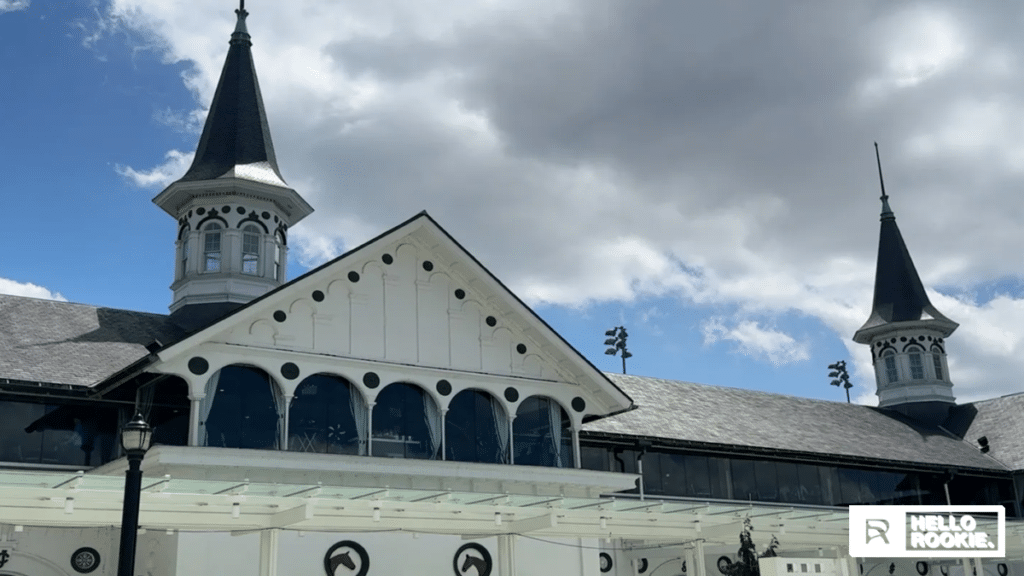
Churchill Downs Incorporated is already the largest publicly traded horse racing company in the United States. Its flagship asset is Churchill Downs racetrack in Louisville, home of the Kentucky Derby — which generated a record $234.4 million in wagering handle in 2025. Beyond the Derby, CDI operates a nationwide network of racing facilities, off-track betting locations, and casino properties across multiple states. The company is listed on the Nasdaq under CHDN and has been aggressively expanding its portfolio of premier racing assets in recent years.
Adding the Preakness IP to that portfolio means CDI now has direct control over the commercial and wagering rights to two of the three Triple Crown races. The Belmont Stakes, the third leg, is operated by the New York Racing Association and is not part of this transaction.
Why IP Ownership Matters for Betting
Intellectual property rights in horse racing carry practical consequences for wagering that go well beyond branding. Under the Interstate Horseracing Act of 1978, the host racing association must consent before any entity can accept interstate wagers on a race. Control of the Preakness IP gives Churchill Downs the authority to negotiate or withhold that consent for the Preakness Stakes, just as it already exercises that authority over the Kentucky Derby.
This matters directly for broadcast rights, advance deposit wagering partnerships, and handle pools. When a single company controls the commercial rights to two races in the same Triple Crown series, it has significant leverage over how those races are packaged for bettors, which platforms get access to wagering pools, and how broadcast deals are structured. A bettors watching both races on different networks or betting through different platforms may eventually find that experience more unified — or that access requires engaging with CDI-preferred channels.
CDI CEO Bill Carstanjen framed the acquisition in strategic terms: “This acquisition adds one of the most iconic brands in American sports to our portfolio and is consistent with our strategy of investing in premier thoroughbred racing assets with long-term growth potential.” The phrase “long-term growth potential” in the context of IP rights points directly at wagering handle, broadcast fees, and the commercial value of packaging the Derby and Preakness as a unified product.
Triple Crown Implications and Consolidation Concerns
The question of whether one company controlling two of three Triple Crown races creates monopoly concerns has been raised in industry circles, though no formal regulatory challenge to the deal has emerged publicly as of this writing. The structure of the transaction — where CDI owns the IP but licenses it back to the state of Maryland for race operations — creates a layered arrangement that spreads operational control while concentrating commercial rights.
For bettors, the more immediate concern is whether CDI will use its dual-race leverage to reshape how handle pools are organized across Derby Week and Preakness Week. Exotic wagering combinations that link both races, pick sequences, and promotional packaging are all areas where owning both brands gives CDI options it did not have before. Whether those options result in better products and larger pools for bettors, or in more centralized control that limits competition among wagering platforms, is an open question.
The broader trend is clear regardless: horse racing’s commercial landscape is consolidating, and the entities that own the rights to the industry’s marquee events are gaining leverage over how betting on those events is structured. For bettors who follow Kentucky sportsbooks and Triple Crown wagering, this deal is worth understanding before the Preakness closes on May 16.
The Preakness Under New Ownership
The 2026 Preakness Stakes will be run at Laurel Park on May 16, with Pimlico undergoing reconstruction as part of Maryland’s long-term redevelopment plan. The deal to transfer IP to CDI is expected to close after that race, meaning 1/ST technically operates the 2026 Preakness as the final act of its ownership tenure. Starting with the 2027 race — expected to return to a rebuilt Pimlico — Churchill Downs will hold the commercial rights and license them back to Maryland under terms that have not been fully disclosed.
What those terms look like — specifically the annual licensing fee Maryland will pay CDI, and any conditions attached to the license — will shape the long-term economics of the race. If the fee is structured to grow with wagering handle, CDI gains a direct financial stake in growing Preakness betting volumes. That aligns CDI’s incentives with growing the race commercially, which could benefit bettors through larger pools and more promotional investment. The specifics will matter, and they will become clearer as the deal progresses toward its post-Preakness closing date.