

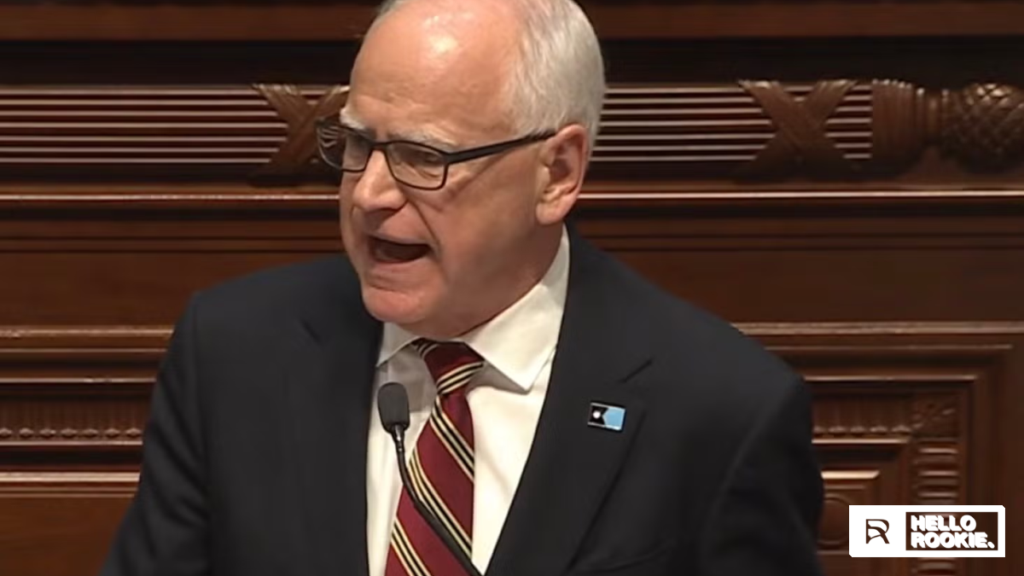
The Commodity Futures Trading Commission sued Minnesota on Tuesday, seeking to block a new state law that would make operating or assisting a prediction market a criminal felony. Governor Tim Walz signed the legislation on Monday as part of an omnibus public safety bill. The CFTC filed its lawsuit less than 24 hours later, asking a federal court to issue a preliminary injunction before the law takes effect on August 1, 2026.
CFTC Chairman Michael Selig said Minnesota’s law “turns lawful operators and participants in prediction markets into felons overnight.” The agency described the statute as the most aggressive state-level crackdown on federally regulated event contract markets in U.S. history, and one that goes further than any other state law the CFTC has challenged to date.
What the Law Covers
Unlike previous state efforts aimed primarily at sports-related event contracts, Minnesota’s law reaches across a wide range of categories. The statute prohibits prediction market contracts tied to athletic events, esports, elections, legal proceedings, public health emergencies, natural disasters, terrorism, weather conditions, and entertainment outcomes. The law also extends potential felony liability beyond platform operators to payment processors, geolocation services, advertisers, data providers, and even news organizations that support covered prediction market activity.
Supporters of the ban argued that prediction market platforms function as unregulated gambling that operates outside state tax and licensing frameworks. Minnesota lawmakers passed the underlying legislation 56-10 in the state Senate before it reached the governor’s desk. Selig specifically called attention to the law’s coverage of weather-related contracts, warning it could disrupt agricultural hedging products used by farmers in a state that is one of the nation’s largest agricultural producers.
A National Legal Battle Escalates
The CFTC has been active in challenging state prediction market restrictions, having already filed suits against Arizona, Connecticut, Illinois, and New York. The agency’s central legal argument is that federally listed event contracts fall under exclusive federal jurisdiction through the Commodity Exchange Act, meaning states cannot use gambling laws to block them. A federal judge in Arizona recently issued a preliminary injunction halting that state’s criminal enforcement against certain prediction market activities while litigation continues.
For sports bettors and Minnesota sports betting users, the immediate practical impact of the law depends on the court’s response to the CFTC’s injunction request. Platforms like Kalshi and Polymarket have not announced any service changes pending the litigation outcome. The Minnesota lawsuit adds to a growing body of case law that will ultimately determine whether prediction markets are governed by federal commodities law or subject to state gambling regulation — a question with major implications for bettors in every state where sports betting laws continue to evolve.