

The United States Senate passed a bipartisan resolution on April 30, 2026 that bans senators and their staff from using prediction markets — a move that went into effect immediately and represents Congress directly policing its own members on an issue that has become one of Washington’s more contentious financial regulation debates this year.
What S. Res. 708 Actually Does
The measure, Senate Resolution 708, amends Rule 37 of the Standing Rules of the Senate to prohibit senators from trading on prediction markets. Because it was structured as a resolution amending the Senate’s internal rules rather than standalone legislation, it bypassed the usual multi-step legislative process and took effect the moment it passed by unanimous voice vote. An amendment added by Senator Alex Padilla of California expanded the prohibition to include Senate staff as well, closing a potential loophole before it opened.
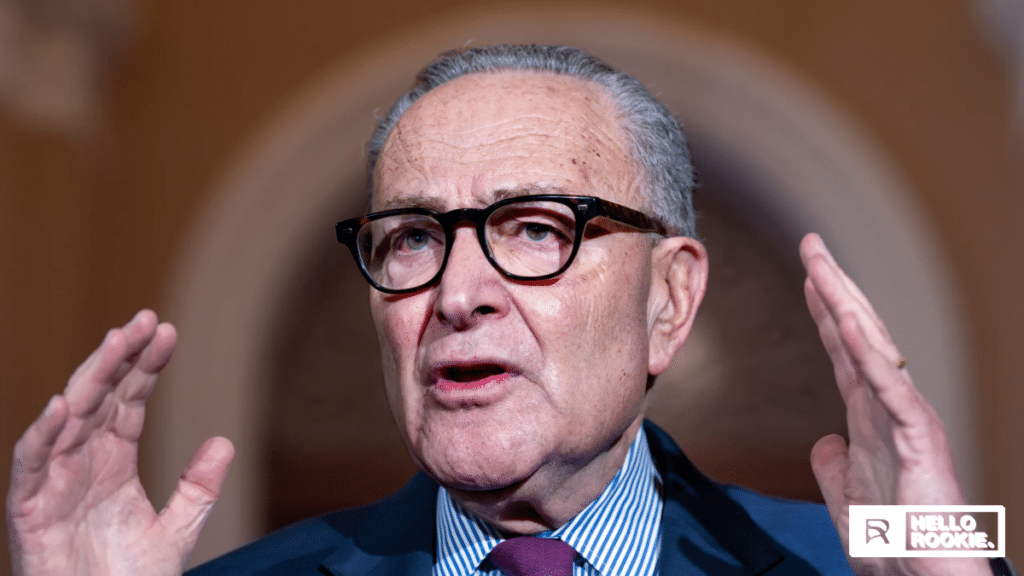
The resolution was sponsored by Senator Bernie Moreno, a Republican from Ohio. “United States senators have no business engaging in speculative activities like prediction markets while collecting a taxpayer-funded paycheck, period,” Moreno said on the Senate floor. Senate Minority Leader Chuck Schumer of New York called the move a “no-brainer” and encouraged the House of Representatives and the Trump administration to take similar steps.
Enforcement: How It Works in Practice
As an amendment to the Senate’s standing rules, S. Res. 708 is enforced through the chamber’s existing ethics and disciplinary framework. Violating Senate rules can trigger proceedings before the Senate Select Committee on Ethics, which has the authority to investigate members and staff and recommend sanctions including censure and expulsion in serious cases. The resolution does not create a new criminal penalty — it is an internal conduct rule, not a federal statute. That distinction matters: a member who violates the rule faces Senate discipline, not federal prosecution under securities or commodities law.
What It Does Not Do
S. Res. 708 is narrowly scoped to senators and Senate staff. It does not apply to members of the House of Representatives, executive branch officials, or the public. The resolution also does not take a position on whether prediction markets are legal or illegal for ordinary users — it is entirely silent on the broader regulatory debate about whether prediction markets constitute gambling subject to state law or financial instruments subject to CFTC oversight.
Senators Todd Young of Indiana and Elissa Slotkin of Michigan have introduced a separate, broader bill that would bar all federally elected officials and government employees from using insider information to make prediction market bets. Young described the Senate resolution as “a good first step” and called on the full Senate to take up his bill as the next stage. That legislation has not yet come to a floor vote.
The Broader Congressional Context
The Senate’s action on members’ own trading behavior is separate from — and should not be confused with — the broader legislative debate over whether prediction markets should exist at all. That debate has produced several competing proposals this year. A bipartisan bill from Senators John Curtis of Utah and Adam Schiff of California, called the Prediction Markets Are Gambling Act, would prohibit CFTC-registered entities from listing any prediction contract that closely resembles a sports bet or casino-style game. A competing proposal from Senators Dave McCormick of Pennsylvania and Kirsten Gillibrand of New York would update the CFTC’s statutory framework to more explicitly accommodate prediction markets under federal oversight.
S. Res. 708 sits in a different lane from both of those bills. It does not take sides in the federal-versus-state jurisdiction fight, and it does not restrict what prediction market platforms can offer. It simply establishes that the people voting on those larger questions — senators themselves — should not have a financial stake in the outcome of the markets those votes might affect.
Why It Passed Unanimously
The resolution’s unanimous passage reflects something unusual in today’s Senate: a straightforward ethics argument that gave every member the same political incentive to vote yes. Prediction markets allow users to bet on outcomes including congressional votes on specific legislation, regulatory decisions, and policy actions. A senator who holds an open position on such a contract has a personal financial stake in the legislative outcome. The potential for that dynamic to influence voting behavior — or at minimum to create the appearance of a conflict — was enough to secure bipartisan agreement in favor of a prohibition. The measure also fits within a longer tradition of congressional ethics rules governing financial conflicts, from stock trading restrictions to gift bans.