
Oklahoma was supposed to be different this time. House Bill 1047 cleared the state House, had the Oklahoma City Thunder, the University of Oklahoma, Oklahoma State University, and the Oklahoma Indian Gaming Association behind it. FanDuel publicly projected the state could see $75 to $100 million in annual revenue. And still, on April 22, 2026, the Oklahoma Senate voted 27 against and 21 in favor — killing the bill six votes shy of what it needed to advance. Sports betting in Oklahoma is dead again, at least for now.
What HB 1047 Would Have Done
HB 1047 was authored by Rep. Ken Luttrell and Sen. Bill Coleman, both Republicans from Ponca City. The bill took a straightforward approach: grant Oklahoma’s gaming tribes exclusive rights to offer both in-person and mobile sports betting across the state. Tribes would have remitted 8% of sports betting earnings to the state, a figure supporters argued was a fair starting point given the tribal compact framework already governing Oklahoma gaming. The bill also included a notable carve-out directing revenue from NBA and WNBA wagers specifically to the Strong Readers Act Fund, a public education initiative — an attempt to broaden the bill’s political appeal. If it had passed, the law was set to take effect November 1, 2026.
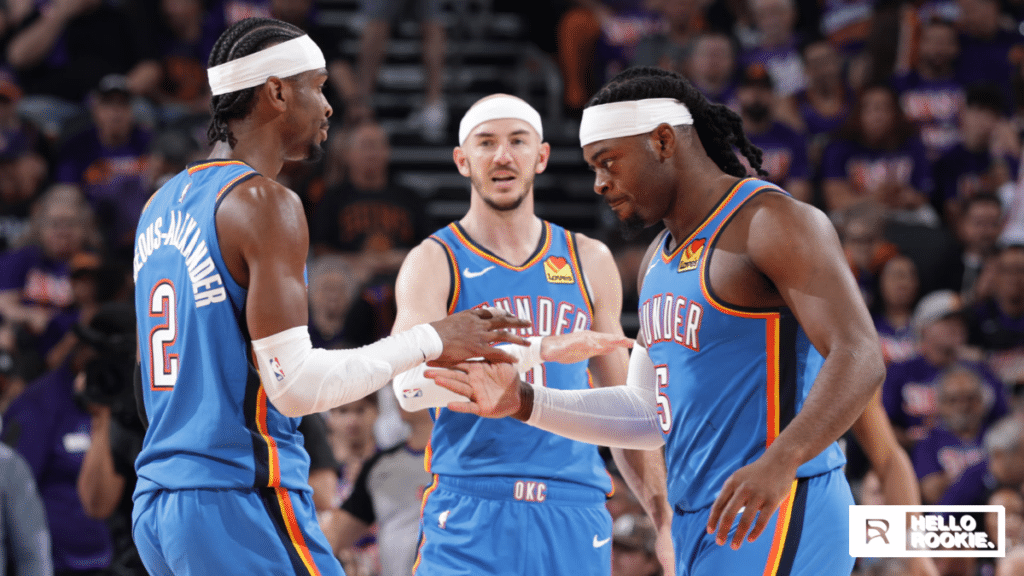
The supporters reading list was hard to argue with on paper. The Thunder, Oklahoma’s lone major professional sports franchise, backed the bill publicly. Both flagship state universities were on board. FanDuel, which stands to be a key technology partner for tribal operators, put a dollar figure on what legalization could mean for the state. The Oklahoma Indian Gaming Association, representing the tribes that would actually run the sportsbooks, also threw its weight behind the bill.
Why It Failed: Exclusivity, Addiction, and a Governor Who Was Never Going to Sign It
Opposition to HB 1047 came from several angles, and collectively they were enough to hold 27 Senate votes against it. Some senators objected on principle to the idea of granting gaming exclusivity to tribal nations — the bill would have locked out non-tribal commercial operators entirely. Others raised concerns about gambling addiction and the broader social costs of expanding legal wagering in the state. A smaller contingent argued the 8% tax rate was simply too low, that the state was leaving money on the table in exchange for a political path of least resistance.
But even if all of those objections had been overcome, there was still Governor Kevin Stitt. Stitt has a well-documented and publicly frosty relationship with Oklahoma’s tribal nations, a dynamic rooted in years of gaming compact disputes. He stated plainly that he would veto HB 1047. Even in the scenario where the bill cleared the Senate, a veto override would have required a two-thirds supermajority — a bar that was never realistically in reach given the 27-21 vote count. In other words, the Senate vote was not the only wall. It was just the first one.
Is There Any Path Forward Before May 29?
Sen. Coleman made a motion to reconsider the vote after it failed, which technically keeps the bill alive for now. The Oklahoma legislature faces a constitutionally mandated sine die adjournment on May 29, 2026, giving proponents a narrow window to flip at least six senators. Whether that math is achievable is an open question. Whether it matters against a Stitt veto is not.
There is one other option on the table. A separate bill, HB 1101, could place sports betting directly on the November 2026 ballot as a statewide referendum — bypassing the governor’s veto authority entirely. Under HB 1101’s framework, tribal casinos would be authorized to conduct sports betting, with a 10% fee applied to monthly transaction totals. A ballot measure route is slower and less certain, but it is also the one path that does not run through Stitt’s signature line.
What Oklahoma Bettors Are Left With
Oklahoma remains one of roughly 11 states without any form of legal sports betting, mobile or in-person. Nationally, 38 states plus the District of Columbia and Puerto Rico have legalized sports wagering in some form — you can find a full breakdown in this state-by-state sports betting guide. Oklahoma is increasingly an outlier, and the economic consequences of that status are measurable. Neighboring states are capturing hundreds of millions of dollars in revenue annually from Oklahoma residents who cross state lines to bet legally or place wagers through offshore platforms that operate outside U.S. regulation. That money is not coming back once it leaves.
Oklahoma’s legislature meets annually, which means if nothing passes in the current session, the next realistic window does not open until early February 2027. For bettors in the state who have watched this movie before — a promising bill, a broad coalition, a Senate vote that falls just short — it is a familiar and frustrating place to be. The demand for legal sports betting in Oklahoma is not going anywhere. The political will to get it across the finish line, for now, is not either.