

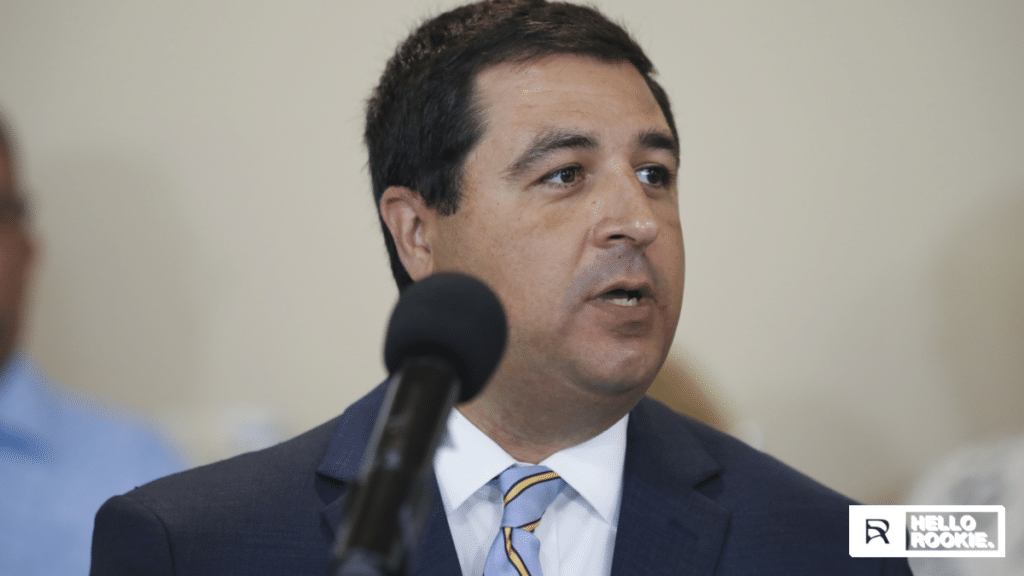
If you live in a state where sports betting is still illegal and you have been using prediction market apps like Kalshi, Polymarket, or Robinhood to bet on game outcomes, Wisconsin just made things a lot more complicated. On April 23, 2026, Wisconsin Attorney General Josh Kaul filed civil lawsuits against Kalshi, Robinhood, Coinbase, Polymarket, Crypto.com, and their affiliates, arguing that their sports-related “event contracts” are nothing more than illegal sports betting dressed up in financial jargon.
What the Wisconsin Lawsuit Actually Says
AG Kaul filed the complaints in Dane County Circuit Court, seeking both preliminary and permanent injunctions that would bar these companies from making sports-related event contracts available to Wisconsin residents. The lawsuits argue that these platforms collect a fee on every trade made, meaning they are generating revenue by facilitating what Wisconsin law defines as unlawful commercial gambling.
The core argument is simple: call it a contract, call it a derivative, call it an investment — if it pays out based on the odds of a sports outcome, it is a bet. “Thinly disguising unlawful conduct doesn’t make it lawful,” Kaul said in announcing the filings. “These companies have chosen to flout Wisconsin law by thinly disguising the sports betting that they facilitate through what are called event contracts. But our position in this case is that event contracts are no different than ordinary sports bets.”
Kaul also noted that Kalshi reportedly generates more than $1 billion in annual revenue — pointing to the scale of activity that Wisconsin says is being conducted illegally. The suit argues that these operations constitute a public nuisance and that consumers in Wisconsin are effectively placing sports bets through platforms operating outside the state’s regulatory framework.
How the Companies Are Pushing Back
The platforms are not going down without a fight, and their defense hinges on federal preemption. All of them argue that prediction markets are regulated at the federal level by the Commodity Futures Trading Commission (CFTC) and that states cannot unilaterally restrict them.
Kalshi said in a statement: “As other courts have recognized, Kalshi is a regulated, nationwide exchange for real-world events, and it is subject to exclusive federal jurisdiction. It’s very different from what state-regulated sportsbooks and casinos offer their customers. We are confident in our legal arguments.”
Robinhood echoed that position: “Robinhood’s event contracts are federally regulated by the CFTC and offered through Robinhood Derivatives, LLC, a CFTC-registered entity, allowing retail customers to access prediction markets in a safe, compliant and regulated manner. We intend to defend ourselves against these claims.”
Coinbase pointed to a Third Circuit ruling that previously found state enforcement attempting to prohibit prediction markets was “exactly the patchwork that Congress replaced wholecloth by creating the CFTC.” The companies are betting — no pun intended — that federal oversight of derivatives markets supersedes Wisconsin state gambling law.
The Timing Is Complicated by a New Wisconsin Law
Here is where things get interesting. Just two weeks before Kaul filed these lawsuits, Wisconsin Governor Tony Evers signed a bill that actually legalizes online sports betting in the state. However, Kaul was clear that the lawsuit is separate from and not directly related to that new legislation.
The newly signed law has a very specific framework: online sports betting is permitted, but only if the servers powering the platforms are physically located on tribal lands in Wisconsin. This is sometimes called the “hub-and-spoke” model, the same approach used in Florida. Before any of this goes live, Wisconsin tribes would need to renegotiate their compacts with the state and get federal approval — a process that takes time.
So the situation in Wisconsin right now is genuinely unusual: sports betting is technically still illegal except at tribal casinos, a new law creating a path to legal online wagering has been signed but is not yet operational, and the state is simultaneously suing five major platforms for allegedly facilitating illegal sports betting in the meantime.
What This Means for Sports Bettors in States Without Legal Wagering
Wisconsin is not alone. There are still a significant number of states where legal sports betting apps are not available, and prediction markets became an attractive workaround for bettors in those markets. Platforms like Kalshi and Polymarket market themselves as financial exchanges where users trade contracts based on real-world outcomes — including which team will win a given game. The structure is different from a traditional sportsbook, but the end result for many users is effectively the same: you put money on a sports outcome and either win or lose.
This lawsuit signals that state attorneys general are paying attention and are willing to act. Even if the platforms ultimately prevail on the federal preemption argument — and that is a real possibility — the legal battle itself creates uncertainty. Users in states with restrictive gambling laws who have been using these platforms as a workaround should understand that their state may not share the federal government’s view that these products are simply financial instruments.
If you are in a state where traditional sports betting is not yet legal, the safer and more straightforward path is to use a platform that is licensed and regulated in your state once that option becomes available. You can check the state-by-state guide to see where things currently stand where you live.
The Bigger Picture for Prediction Markets
Wisconsin is not the first state to take aim at prediction markets over sports contracts, and it is unlikely to be the last. The companies named in these lawsuits have argued for years that they operate in a fundamentally different regulatory space than traditional sportsbooks. The CFTC has generally allowed sports-related event contracts to proceed, though the agency has also shown some ambivalence on the issue over time.
What this lawsuit adds to the conversation is a state-level enforcement test. If Wisconsin courts side with the AG, it could embolden other state attorneys general to file similar suits — creating the exact patchwork regulatory environment that companies like Coinbase argue Congress intended to prevent. If the courts side with the platforms on preemption, it would effectively confirm that prediction markets operate outside the reach of state gambling laws nationwide.
Either way, the days of prediction markets existing in a regulatory gray zone are numbered. The outcome of these Wisconsin cases will likely shape the landscape for how these products are treated — both by state governments and by federal regulators — for years to come. Sports bettors using these platforms should keep a close eye on how this unfolds.