
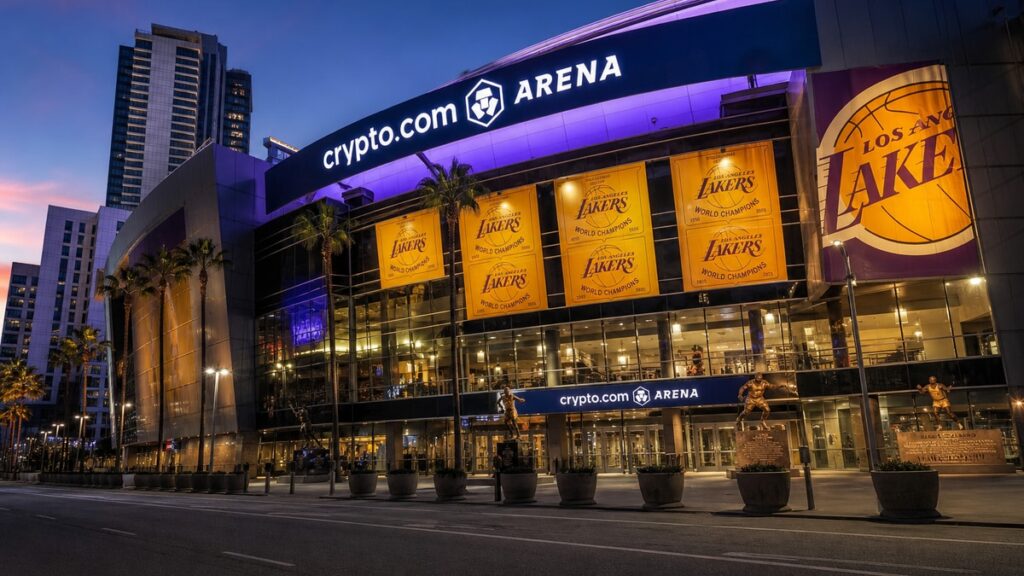
The Los Angeles Lakers are changing hands again, and this time the number is almost too big to process. Businessman Josh Kushner and former Disney chief executive Bob Iger have agreed to purchase the franchise from Mark Walter at a valuation of $12.5 billion, a figure that instantly becomes the largest sale price ever attached to a North American professional sports team. The agreement, still awaiting approval from the NBA’s Board of Governors, arrives barely 14 months after Walter himself bought the team.
That timeline is what has stunned the basketball world as much as the price tag. Walter’s group closed on its purchase of the Buss family’s controlling stake in June 2025 at what was then a record $10 billion valuation, a deal the league unanimously approved and celebrated as a landmark moment for the sport. Flipping the franchise for a $2.5 billion profit in barely more than a year is virtually unheard of at this level of sports ownership, where teams are typically treated as multi-decade, legacy-building assets rather than short-term trades.
Why NBA Insiders Are Struggling to Make Sense of It
Reaction from around the league has ranged from disbelief to open speculation. One agent who has represented Lakers players in recent years called it “talk about a curveball” when speaking to ESPN, while an ownership-group executive from a Western Conference team admitted bluntly that he was “curious about how the deal is structured” given the scale of capital involved. Another Eastern Conference executive went further, suggesting that “people don’t typically buy teams and then flip them” and that the motivations behind Walter’s exit likely extend well beyond basketball itself. League insiders have also noted that the sale comes amid reported federal scrutiny of Walter’s insurance holdings, fueling speculation that liquidity needs, not basketball strategy, may have driven the quick turnaround.
Kushner, a venture capitalist, and Iger, who spent over a decade running Disney, were reportedly pursuing an NBA expansion franchise in Las Vegas before pivoting toward the Lakers opportunity. Iger has publicly stated that Jeanie Buss will remain in her governor role for now, honoring the arrangement Walter had made with her, though the long-term front-office structure under the new ownership group remains an open question that rival executives say they are watching closely, particularly what it means for Buss and longtime front-office architect Rob Pelinka.
What the Record Valuation Means for Bettors and the Market
For bettors, the ownership shakeup itself won’t move a point spread, but it lands at a notable moment for the futures market. Heading into this news, the Lakers had opened the 2026-27 season priced around 28-1 to 35-1 to win the NBA championship depending on the book, positioning them in a competitive second tier behind favorites like the Thunder, Celtics and Knicks rather than among the true title favorites. A dramatic front-office change at the ownership level historically does little to shift those numbers in the short term, since coaching staff, roster construction and on-court personnel are what actually move championship futures lines.
Where this sale matters more for the wider betting market is as a signal of just how aggressively capital is flowing into major sports franchises. The Lakers now sit atop a list that includes their own $10 billion sale from last year and the Boston Celtics’ then-record $6.1 billion sale in 2025, meaning three of the four largest franchise sales in North American sports history have all happened within roughly the past 18 months. That kind of valuation trajectory tends to reinforce, rather than change, a franchise’s marquee status in the sportsbook world, and the Lakers remain one of the most heavily bet-on teams in the league regardless of who signs the checks in the owner’s box. Any instability in a front office that bettors perceive as chaotic is worth monitoring as training camp approaches and new title odds get set.