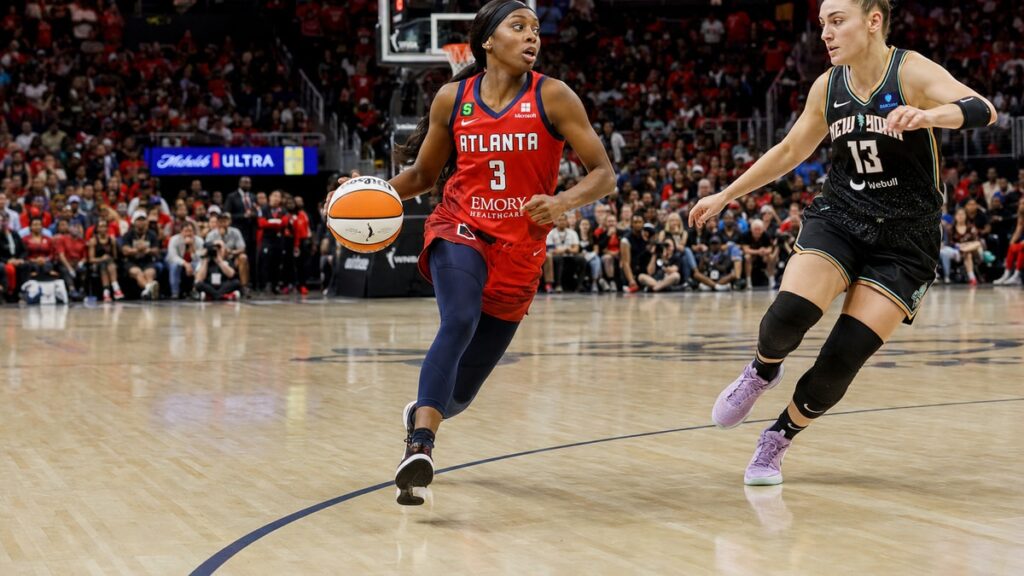

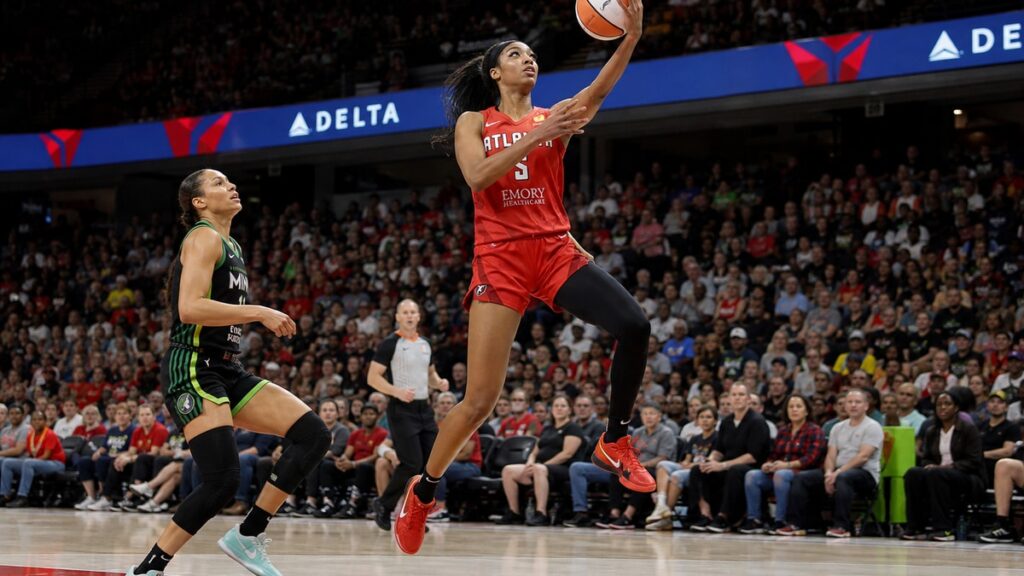
The WNBA handed Dave Portnoy a gift-wrapped headline on Thursday. The league’s official X account posted, then hastily deleted, a video from All-Star Weekend showing stars Paige Bueckers and Angel Reese appearing to place a personal $400 wager on the outcome of the Dallas Wings-Atlanta Dream game — a direct violation of the WNBA’s own collective bargaining agreement. By 1:20 p.m. ET, the league was forced to issue a statement admitting the post “missed the mark.”
The clip, recorded during All-Star weekend in Chicago, captured Reese holding a wad of cash and telling Bueckers, “I know y’all gonna lose … but if y’all win, you get the 400.” The league’s own account shared the exchange with a playful caption before quickly scrubbing it once the obvious problem set in: wagering on WNBA games, in any form, is explicitly prohibited under the league’s new CBA. Reese, a 24-year-old forward now playing for the Atlanta Dream after being traded from Chicago, and Bueckers, the reigning Rookie of the Year averaging better than 20 points a game for the Dallas Wings, are two of the sport’s biggest draws — which is exactly why the clip spread as fast as the league could take it down.
The Pete Rose Comparison Everyone Saw Coming
Dave Portnoy wasted no time connecting the dots to baseball’s most notorious gambling exile. “Pete Rose was suspended for life for doing less,” Portnoy posted, referencing the MLB legend who was banned from the sport in 1989 for betting on games he managed and remained shut out for the rest of his life, even in death. Portnoy added that it would “be interesting to see how @CathyEngelbert handles this,” directly naming the WNBA commissioner and putting the league on the spot to explain why a video of its own players discussing a wager ever made it to an official account in the first place.
The comparison, while dramatic, underscores just how seriously professional leagues have historically treated gambling by players and officials — Rose’s case remains the sport’s cautionary tale nearly four decades later. The WNBA’s CBA doesn’t leave much room for interpretation either. Article XIV, Section 5(c) states that any player found guilty of wagering, directly or indirectly, on the outcome, score, or any aspect of a WNBA competition “shall, in the sole discretion of the Commissioner, be subject to a fine, suspension, and/or dismissal and disqualification from any further association with the WNBA.” The Wings ultimately fell to the Dream 82-81, with Reese posting 22 points and 12 rebounds in the win — the kind of performance that, under normal circumstances, would have been the day’s headline.
WNBA Says the Matter Is Closed — For Now
In its statement, the league walked a careful line between owning the mistake and defending its players. “While the social media post was intended to be lighthearted, WNBA players are well aware of the league’s policies prohibiting betting on WNBA games and receive training every year reinforcing those policies,” the statement read. “We recognized that the post missed the mark, removed it shortly after it was published, and addressed the matter internally. We will also use this as an opportunity to reemphasize with the players involved that conversations about wagering on WNBA games, even when intended as a joke, can have negative consequences.”
Sources indicate neither Bueckers nor Reese will face fines or suspension over the incident, a decision that will likely draw scrutiny given the CBA’s stated penalties and the increasingly high profile the league now carries. The episode arrives at a delicate moment for the WNBA, which has leaned hard into star power and viral moments to fuel its recent growth, only to watch its own marketing machine hand critics a gambling controversy involving two of its brightest names. For fans following the story, the league’s live betting lines and coverage on hubs like NBA odds pages remain unaffected, but the incident is a reminder of how tightly leagues now police any appearance of players wagering on their own games, even in jest.
Whether the league’s internal handling holds up under continued public pressure — or whether Commissioner Engelbert faces calls for a harder stance — remains to be seen. For now, the WNBA is treating it as a lesson learned rather than a disciplinary matter, betting that a quick statement and a deleted video will be enough to move past it.