

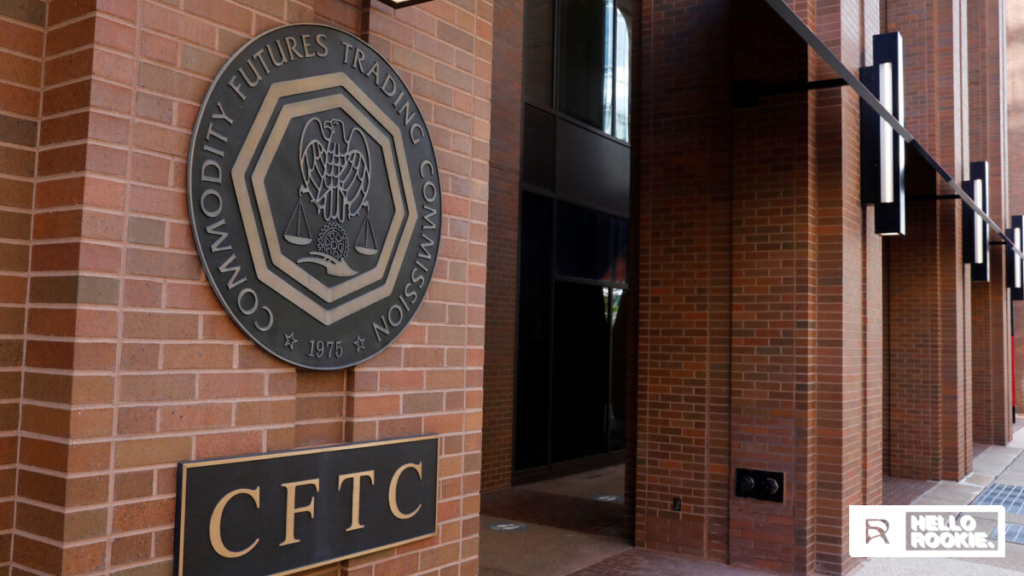
The U.S. Commodity Futures Trading Commission released a 267-page proposed regulatory framework on June 10 that would preserve most sports-related prediction market contracts while restricting or banning markets tied to player injuries, officiating decisions, and individual-play outcomes. The proposal, issued under CFTC Chairman Michael Selig, is the most comprehensive federal attempt yet to define what prediction market operators can and cannot offer.
For sports bettors and prediction market traders, the details matter. Monthly trading volume on platforms like Kalshi and Polymarket surged from under $5 billion in September 2025 to $24 billion by April 2026, and sports-related contracts drive the bulk of that activity. The proposed rules would keep most of that market intact while closing off categories the CFTC considers manipulation-prone.
What Stays, What Goes
Game outcome contracts, point spread markets, tournament advancement bets, and overall team performance contracts would all remain permitted under the proposal. The CFTC argued these markets have genuine informational value and that sports teams function as economic enterprises whose performance is relevant to a broad range of market participants.
On the restricted side, the proposal would likely prohibit contracts involving player injuries and injury severity, officiating decisions, physical altercations during games, and events in youth sports. Player proposition markets involving discrete individual actions are also flagged — the CFTC specifically singled out pitch-by-pitch baseball contracts, which are effectively controlled by a single pitcher. The agency also noted that contracts are more problematic when the outcome depends on information available only to a small number of insiders who could potentially influence the result.
Why This Matters for Sports Prediction Markets
The proposal arrives amid ongoing legal disputes between prediction market operators and several states — including Arizona, Minnesota, and New York — that argue these platforms function as unregulated sportsbooks. The CFTC’s framework does not resolve those state disputes but establishes a federal standard that the agency views as the authoritative regulatory baseline.
The NBA and NFL had both urged the CFTC to ban contracts on player injuries and officiating outcomes, and the proposal appears to reflect that input. The agency has signed memorandums of understanding with MLB and the NHL for cooperative monitoring of event contracts. Bipartisan legislation introduced in March by Senators John Curtis and Adam Schiff sought more aggressive restrictions; the CFTC’s proposal is more permissive than that legislation would have required.
A 45-day public comment period is now open before any final rules take effect. Sports bettors in states without legal sportsbooks who use prediction markets as an alternative should watch how the final rules affect contract availability on platforms like Kalshi and Polymarket. For those in states with legal sportsbooks, understanding sportsbook options remains a useful complement to prediction market trading.