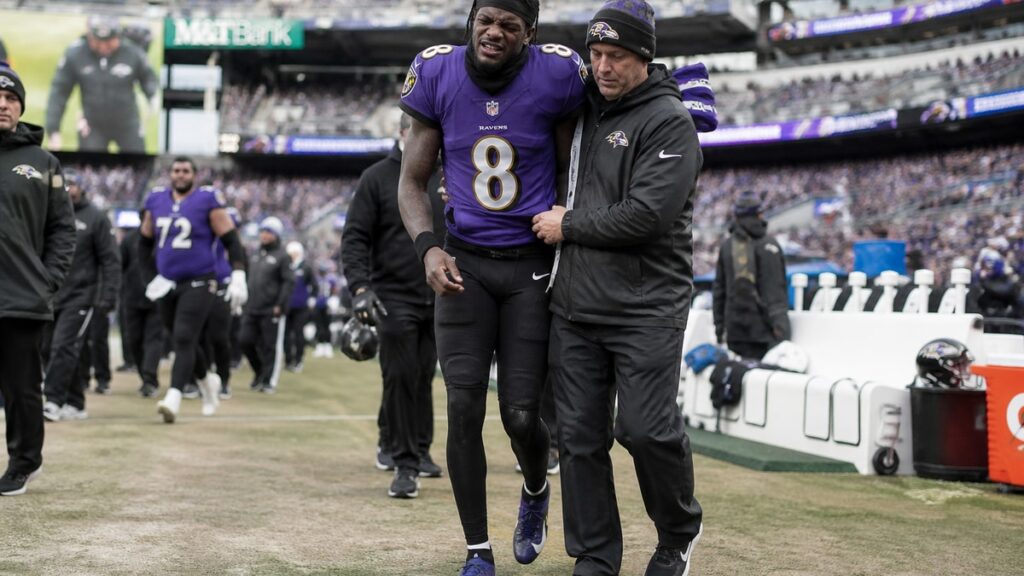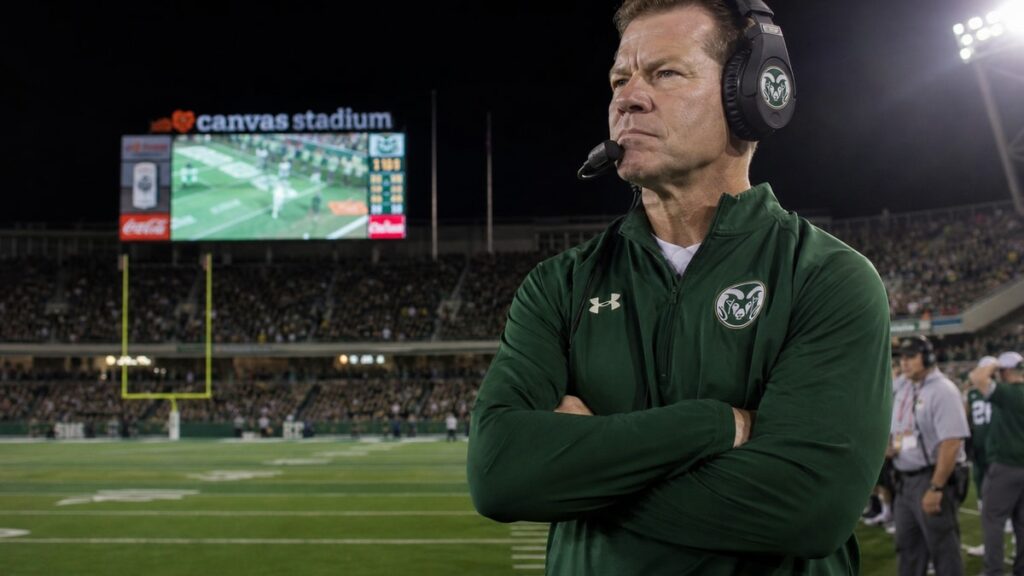


The gambling investigation surrounding Texas Tech quarterback Brendan Sorsby has escalated beyond the NCAA, with state gaming regulators in multiple states now actively examining his betting activity. The Indiana Gaming Commission and the Ohio Casino Control Commission both confirmed to ESPN this week that they have opened their own investigations into Sorsby, who played college football at Indiana and Cincinnati before transferring to Texas Tech this offseason.
What the Regulators Found and Are Looking For
According to ESPN, Sorsby held accounts with sportsbooks and daily fantasy operators in several states. Multiple sources with direct knowledge of the matter described him as a high-volume, low-stakes bettor — meaning he placed a large number of wagers for relatively small amounts over an extended period. Some of those bets were placed using an account under a different name, multiple sources told ESPN, which is a separate regulatory concern beyond the NCAA rules issues.
ESPN’s Pete Thamel reported that Sorsby placed bets on Indiana football during his freshman season as a Hoosiers quarterback in 2022. Sorsby did not bet on any games in which he personally played, but he reportedly did wager on a game involving the Indiana program while he was a redshirt member of the roster. The NCAA prohibits student-athletes from betting on any NCAA-sanctioned sport, professional or collegiate, regardless of whether they personally participated in the game being wagered on.
The State Regulatory Investigations
The Indiana Gaming Commission and the Ohio Casino Control Commission confirmed the investigations to ESPN but declined to provide additional details. Both states had legal sports betting markets during the period when Sorsby attended school at Indiana and Cincinnati respectively. The legal betting age in both Indiana and Ohio sports betting markets is 21, and Sorsby did not turn 21 until January 2025 — meaning that any bets placed in those states prior to that date would have also involved underage gambling on a licensed platform.
Kentucky Horse Racing and Gaming also told ESPN it is aware of the case, is working with the NCAA, and is reviewing the situation with its licensees. State gaming regulators have a range of enforcement tools available: they can ban individual bettors from licensed platforms, issue fines to operators for allowing underage or prohibited account activity, and refer matters to law enforcement if criminal violations are identified.
Sorsby’s Status and What He Has Said
Texas Tech announced on April 27, 2026 that Sorsby would take an immediate indefinite leave of absence from the football program to enter a residential treatment program for a gambling addiction. Texas Tech head coach Joey McGuire said in a statement: “We love Brendan and support his decision to seek professional help.” The school stated it is “committed to supporting Brendan through his recovery process and to ensure his long-term health and well-being” but said it would have no further comment on his status or treatment progress.
Sorsby has retained prominent sports attorney Jeffrey Kessler, who has handled several high-profile college eligibility disputes, to help him try to preserve his remaining year of college eligibility. Kessler declined to comment when reached by ESPN.
What the NCAA Penalties Could Look Like
The NCAA’s rules on sports wagering carry escalating penalties depending on the nature and scale of the violation. Athletes found to have bet on their own team’s games face permanent loss of eligibility. Athletes who bet on their own sport but not on games involving their own team face a loss of 50% of one season of eligibility. Wagers on any NCAA-sponsored sport totaling more than $800 can result in a loss of 30% of one season, and for wagers far in excess of that threshold — which Sorsby’s total almost certainly clears if he placed thousands of bets — the NCAA can consider imposing additional or even permanent loss of eligibility.
The most direct NCAA comparison is former Iowa State quarterback Hunter Dekkers, who was permanently ruled ineligible in 2023 after the NCAA determined he had wagered on games involving the Cyclones. The parallel to Sorsby’s situation at Indiana is close enough that the Dekkers precedent will be front of mind for the NCAA investigators handling this case.
The NIL Dispute and Other Complications
Separate from the gambling case, Sorsby is also a defendant in a lawsuit filed by the University of Cincinnati. Cincinnati alleged in U.S. District Court for the Southern District of Ohio that Sorsby breached a name, image, and likeness contract that included a $1 million buyout clause if he transferred within 30 days of signing. Sorsby’s attorneys filed a motion to dismiss, arguing the contract is unenforceable. The combination of the gambling investigation, the NCAA eligibility question, and the NIL litigation has left Sorsby’s football future deeply uncertain heading into what should have been his final season.
For bettors and regulators, this case is becoming one of the most visible examples of what happens when college athletes have access to legal sports betting platforms in states like Indiana sports betting markets before the enforcement mechanisms are equipped to catch and prevent prohibited activity in real time.