

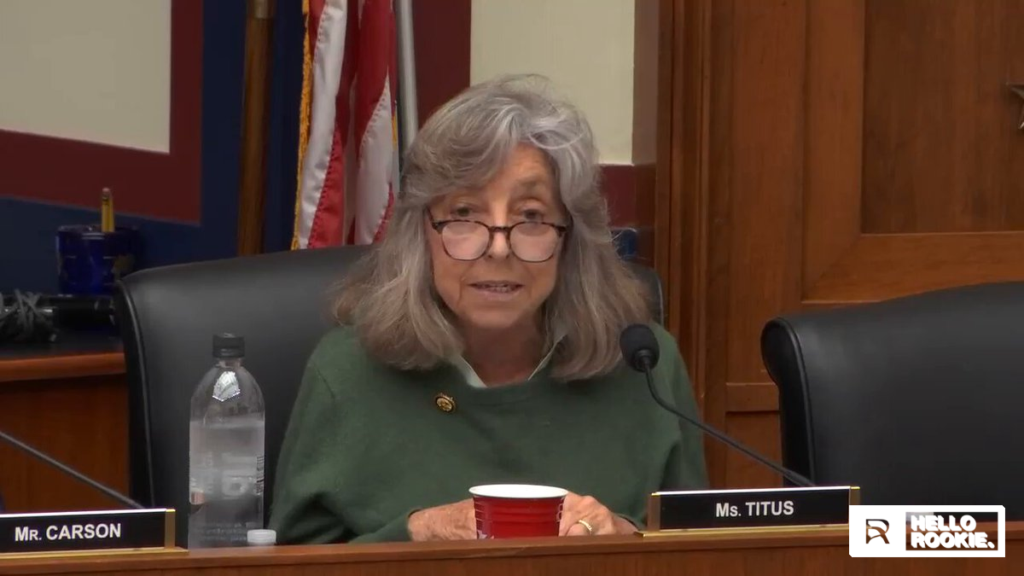
Nevada Representative Dina Titus, co-chair of the Congressional Gaming Caucus, used a prominent gambling research conference in Las Vegas on Tuesday to intensify her call for federal legislation targeting prediction market platforms. Titus argued that platforms like Kalshi and Polymarket are effectively offering unregulated sports betting under the cover of commodity trading oversight, and she renewed her push for Congress to require those platforms to comply with state gambling licensing frameworks.
Titus was speaking at the opening day of the 19th Conference on Gambling and Risk Taking at the Bellagio, a gathering organized every three years by the UNLV International Gaming Institute that draws more than 500 researchers, regulators, academics, and industry participants from over 25 countries. The forum gave her remarks a prominent platform at a moment when the prediction market regulatory debate is intensifying on multiple fronts.
The Case Against CFTC Authority Over Sports Bets
At the heart of Titus’s argument is a question of jurisdiction: does the Commodity Futures Trading Commission have the authority to oversee platforms that offer contracts tied to sports outcomes? Titus answered firmly that it does not, and that it lacks the resources and expertise to do so even if it wanted to. “They’ve already said they aren’t a gaming regulator, and they certainly don’t have the resources or the expertise. Yet they’re very aggressive in filing lawsuits on behalf of prediction markets,” Titus said during her remarks.
She has introduced the Fair Markets and Sports Integrity Act, which would prevent prediction market platforms from offering financial contracts on the outcomes of sports events or casino-style games without first obtaining state gambling licenses. The legislation would essentially require platforms like Kalshi and Polymarket to submit to the same regulatory scrutiny as licensed sportsbooks. Titus argued that the 2018 Supreme Court ruling that legalized sports betting across the states never contemplated event contracts being offered without state authorization.
A Broader Slate of Gaming Legislation
Titus also addressed several other pieces of pending legislation that could affect both gamblers and the betting industry. She cited the Fair Bet Act, which would restore the full deduction on gambling losses — currently reduced from 100 percent to 90 percent. She also mentioned legislation to raise the slot machine jackpot tax reporting threshold to $5,000, indexed to inflation, from the current $2,500 level. And she pointed to the Discriminatory Gaming Tax Repeal Act, which would eliminate the 0.25 percent federal excise tax on sports wagering, money she noted the Treasury Department cannot fully account for.
For bettors who want to understand the stakes of this debate, the outcome of this regulatory fight will determine whether prediction market platforms must follow the same consumer protection, anti-money-laundering, and age verification requirements that licensed sportsbooks are held to. Resources covering sports betting by state are especially useful for bettors trying to understand what legal frameworks already exist in their jurisdiction and how the prediction market question interacts with them.
Titus reiterated that Nevada remains the gold standard for gaming regulation and called on researchers, operators, and policymakers to engage more actively as the industry evolves. She emphasized that the spread of unregulated prediction market sports contracts represents a direct threat to the consumer protections that state-licensed gambling frameworks are designed to provide. The Fair Markets and Sports Integrity Act has yet to advance to a floor vote in the House, but Titus signaled she intends to keep pressing the issue as prediction markets continue to expand their user base in states where traditional sports betting remains illegal.