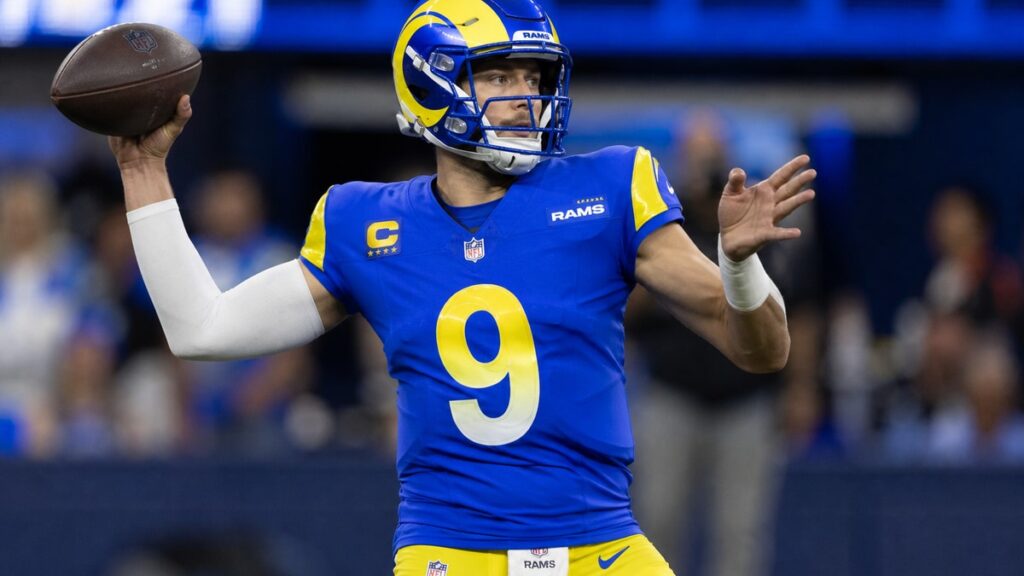

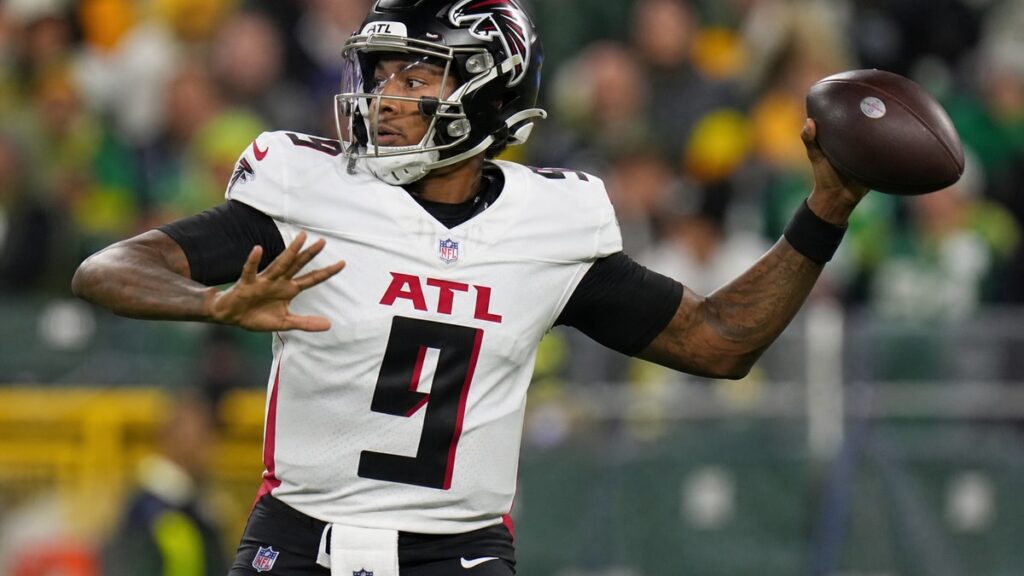
Prediction markets have made up their mind about Thursday Night Football, and it isn’t close. With the Atlanta Falcons heading to Lambeau Field to face the Green Bay Packers, bettors on platforms like Polymarket have pushed the Packers’ moneyline probability to roughly 69.5%, leaving Atlanta at just 30.5% to pull off the road upset. That gap is one of the widest of the young season for a game with this much national attention, and it’s being driven almost entirely by one storyline under center.
What the Markets Are Pricing In
The Falcons-Packers moneyline market has been one of the highest-volume sports contracts on prediction platforms over the past 24 hours, with more than $284,000 traded in that window alone and over $1.8 million total. Related side markets are just as active — Packers spread contracts at -6.5, -5.5, -4.5 and -7.5 are all seeing real money, along with an over/under line sitting at 43.5. Traditional sportsbooks tell a similar story: DraftKings has Green Bay at -290 on the moneyline (Atlanta +235) after the spread moved from an opening -7 down to -6, with the total sliding from 46.5 to 43.5 following Green Bay’s dominant Week 2 showing.
When multiple markets — prediction platforms and traditional sportsbooks alike — converge this closely on a number, it’s usually because the same piece of information is moving all of them at once. In this case, that information has a name: Michael Penix Jr.
The Penix Factor Driving the Line
Penix is set to make his first start of the 2026 season for Atlanta, returning from a knee injury that kept him out to open the year. His presence under center resolves a piece of uncertainty for the Falcons, but it also introduces a new one — the market isn’t fully trusting a first career start of the season on the road against a Green Bay defense that just held Atlanta’s offense to three points in Week 2. Tua Tagovailoa, dealing with an oblique issue, is active and will back up Penix, giving Atlanta a fallback option but not changing the fact that its top read is a quarterback with zero regular-season snaps this year heading into a hostile Thursday night environment.
That three-point Week 2 output looms large over how the market is pricing this offense. It’s a big reason the total dropped nearly three points from its opening number, and it’s fueling skepticism that Atlanta can move the ball consistently even with Penix healthy and QB1 clarity finally established.
Green Bay’s Own Question Marks
The Packers aren’t walking in unscathed, either. Green Bay is missing multiple starters up front, with tackle Zach Bako-Bewele and guard Aaron Banks both out, plus defensive tackle Warren Brinson and receiver Jayden Reed sidelined. Defensive tackle Javon Hargrave (knee/concussion) and Anthony Campbell (ankle) carry questionable tags that will be worth monitoring right up to kickoff. An offensive line replacing multiple starters is exactly the kind of soft spot a pass rush wants to attack — even with Atlanta down defensive end Samson Ebukam (hamstring), who won’t be available to test it.
Still, the market’s conviction makes sense given the broader picture. Green Bay is coming off a 20-3 win in Week 2 that showcased a defense playing with confidence and an offense that didn’t need to force anything. Atlanta, by contrast, is trying to solve its own offensive identity in real time, on the road, under the lights, with a quarterback playing his first game action since recovering from injury.
Prediction Markets vs. Straight Betting Lines
It’s worth noting how closely the prediction market implied probability tracks with what the moneyline suggests once you convert it. A -290 favorite implies right around 74% win probability before the vig is stripped out, while Polymarket’s 69.5% sits a bit lower — a gap that typically reflects real uncertainty about first-start variance rather than any disagreement about which team is better on paper. For bettors who track both markets, that spread between prediction-market pricing and traditional sportsbook pricing can be a useful signal of where public confidence is softer than the raw number suggests.
Checking a live NFL odds board alongside prediction market pricing is a habit worth building this season, especially in spots like this one where a single injury-report headline is doing most of the work moving numbers across multiple platforms simultaneously.
Bottom Line
The market case for Green Bay is built on recent form, a healthier season-long track record, and lingering doubts about Atlanta’s offense finding rhythm behind a quarterback making his first start of the year. The case for an Atlanta cover — not necessarily an outright upset — leans on Green Bay’s own offensive line absences and the tendency for divisional-style road dogs to keep things closer than a near-70% implied probability suggests. Prediction markets have been directionally right on spots like this more often than not this season, and right now they’re not hedging: Green Bay is the clear choice, with the only real debate being how much Atlanta’s banged-up opponent and first-start jitters combine to keep the final margin inside that 6.5-point number.