
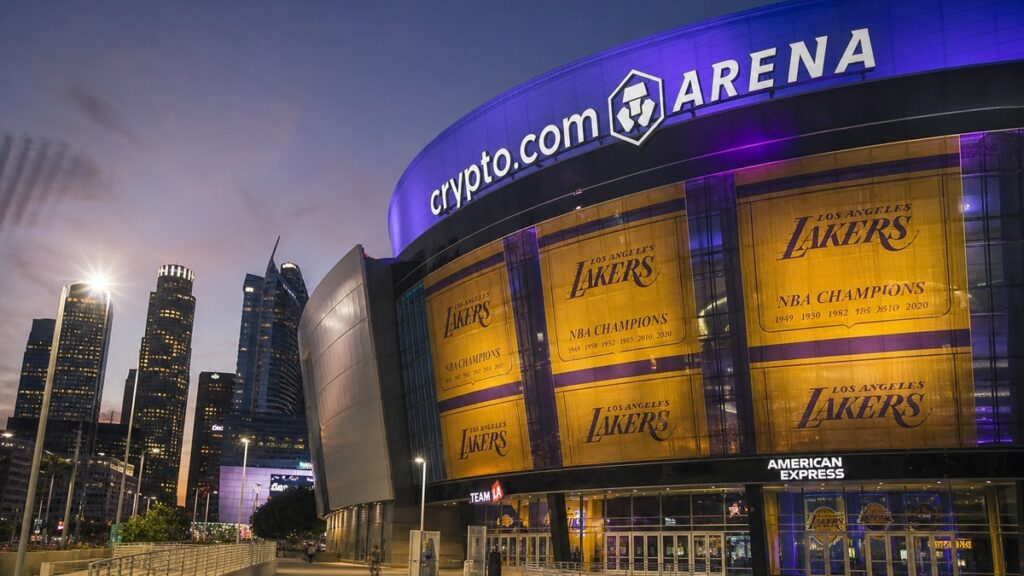
The Buss family’s nearly five-decade run atop the Los Angeles Lakers is officially coming to a close. According to ESPN’s Shams Charania, the Buss Family Trust has voted to sell its remaining 17.8% stake in the franchise to incoming majority owners Josh Kushner and Bob Iger, a move that also means Jeanie Buss will step down as the team’s governor once the transaction is finalized.
The trust — made up of six siblings: Jeanie, Jim, Johnny, Janie, Joey and Jesse Buss — needed four of six votes to trigger a tag-along provision tied to Mark Walter’s sale of his controlling interest, which valued the Lakers at a record $12.5 billion. With that threshold cleared, the family is exiting the sport’s most storied ownership group entirely, just days after word first broke of the blockbuster sale to Kushner and Iger.
Why Jeanie Buss Is Losing Her Governor Title
NBA rules require a controlling owner or franchise governor to hold at least 15% equity in the team. When Walter originally purchased his controlling stake from the Buss family in a deal ratified last October at a then-record $10 billion valuation, Jeanie Buss retained enough family equity to keep her position and was assured she’d remain governor for at least five years. That arrangement is now moot. Once the Buss Family Trust liquidates its final shares to the Iger-Kushner group, none of Jerry Buss’ six children will hold any ownership in the franchise their father bought for $67.5 million in 1979 — and Jeanie will no longer meet the equity threshold required to represent the team at NBA Board of Governors meetings.
In a statement to ESPN, the family said: “We have decided as a family to sell the remaining Buss Family Trust shares to the Bob Iger group as part of the ongoing transaction. We love the Lakers, Laker fans and will continue to support Los Angeles; but it is time to use this opportunity to move on and exit gracefully while we still can.”
The additional 17.8% stake pushes the Iger-Kushner ownership group to roughly 83% of the franchise once the deal clears. It still needs sign-off from the NBA’s Board of Governors, which is scheduled to meet Sept. 15-16 in New York. Walter, who also owns the Los Angeles Dodgers and is not divesting from that franchise, is set to pocket roughly $2.5 billion in profit after owning the Lakers for barely a year — a return that reset the valuation bar for every major sports franchise on the planet.
What the Betting Markets Are Saying About the Sale
For as seismic as the ownership shakeup is off the court, it hasn’t budged the number that matters most to bettors. Tracked archives of the Lakers’ 2027 NBA championship futures show the price sitting at +4500 both before and after news of the Kushner-Iger purchase first broke on Aug. 12 — the last actual line movement had come more than fifteen hours earlier, on unrelated offseason business. In other words, the most expensive transaction in North American sports history changed the name on the deed without moving the market by a single tick, because futures boards price the roster on the floor, not who signs the checks in the luxury suite.
That doesn’t mean the Lakers are irrelevant in the futures conversation. Multiple sportsbooks have the team parked in the second tier of 2027 title contenders, generally in the +3000 to +4500 range depending on the book, well behind favorites like Oklahoma City and San Antonio but still inside the top ten or so franchises given any real shot. Where the ownership shuffle could eventually matter for bettors is less about this week’s line and more about front-office continuity — new governors sometimes bring new front-office philosophies on spending, trades and roster construction, all of which shape futures prices over a longer horizon. For now, with Kushner and Iger publicly committing to build on the Buss/Walter foundation and the roster unchanged, sportsbooks are treating this purely as a boardroom story rather than a betting one. Anyone holding a Lakers futures ticket can exhale: the number that decides whether that ticket cashes still lives and dies with what happens on the hardwood, not in a family trust vote.