
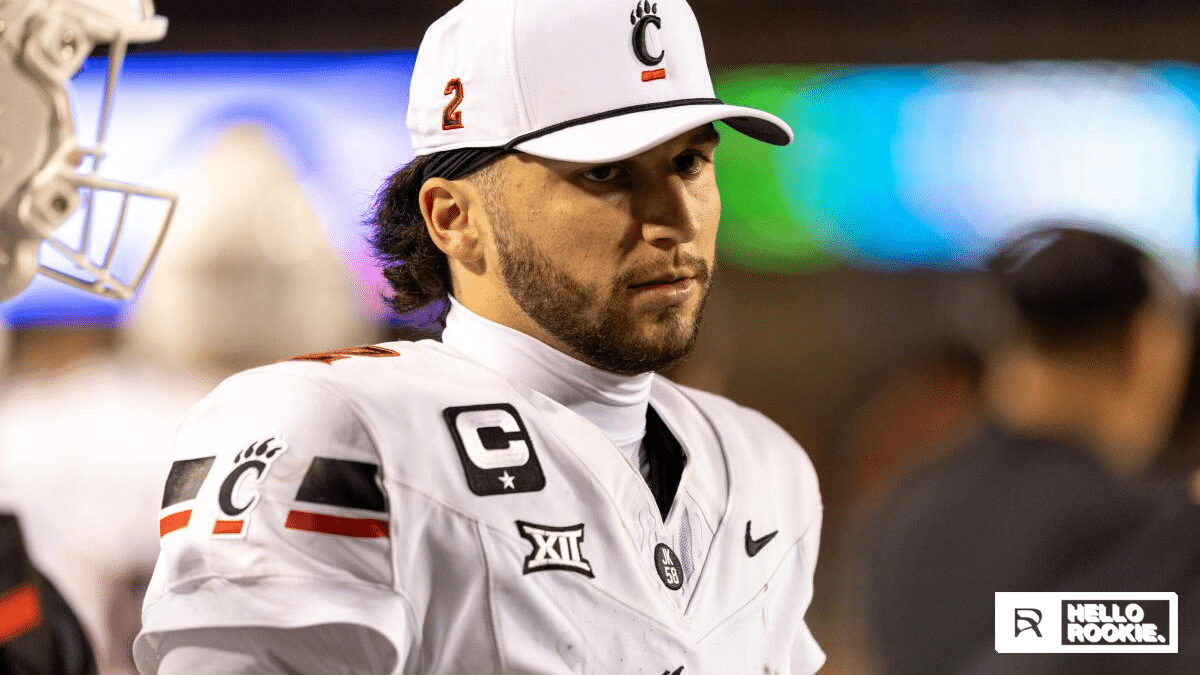
The NCAA has upheld its decision to deny eligibility reinstatement to Texas Tech quarterback Brendan Sorsby following his suspension for violating the association’s sports wagering rules. Sorsby, who sought to return to competition for the 2026 college football season through a legal challenge to the NCAA’s ruling, will not be reinstated after the association declined to reverse its previous determination. The case has become a touchstone in the broader debate about sports betting integrity at the college level and prompted the Southeastern Conference to implement a new mandatory gambling education requirement for all athletes.
Under NCAA sports wagering rules, student-athletes are prohibited from placing bets on any sport, including sports outside their own, and from wagering on any game they participate in. Sorsby’s violation reportedly included betting on games in which he participated, which the NCAA treats as among the most serious integrity violations under its framework. The association’s refusal to grant reinstatement was described as consistent with its established policy on wagering violations.
The Broader Impact on College Sports Integrity Policy
The Sorsby case arrived at a moment when college sports betting integrity is under greater scrutiny than at any previous point. Legal sports betting is now available in the majority of states, prediction markets are accessible to 18-year-olds, and offshore sportsbooks continue to take action from college students regardless of legal status. The accessibility of wagering options that did not exist a decade ago has created a new compliance challenge for athletic departments and conferences that existing education programs were not designed to address.
The Southeastern Conference announced in direct response to the Sorsby case and the broader integrity environment that it will require all student-athletes to complete a mandatory sports betting educational video before the 2026-27 athletic year. The SEC is the first Power Four conference to implement a conference-wide educational mandate of this kind. Each SEC athletic department must incorporate the video into its compliance programming, and students must complete the course before they can participate in regular season competition.
The SEC spans 12 states, seven of which have legal, regulated sports betting. In the remaining five states, federally regulated prediction markets operate under CFTC jurisdiction, meaning every SEC member state now has some form of legal wagering infrastructure that directly covers the outcome of collegiate athletic competitions. That landscape makes education and clear policy communication more important, and the SEC’s mandatory curriculum reflects an acknowledgment that voluntary or informal education efforts have been insufficient.
What Athletes and Fans Should Know
The Sorsby case illustrates the real-world consequences of NCAA sports wagering violations. For student-athletes, the rules are categorical: betting on any sport while enrolled as a college athlete is prohibited, and violations can result in permanent loss of eligibility with no appeal mechanism guaranteeing reinstatement. The expansion of legal and accessible wagering options makes the temptation greater, but the consequences have not changed.
For fans who bet on college sports, the integrity framework surrounding collegiate competition is undergoing significant investment in education, monitoring, and enforcement. Sportsbooks that operate legally in regulated states work with conferences and schools to flag suspicious wagering patterns, and the SEC’s new educational mandate will give athletes a clearer understanding of reporting obligations if they are approached by outside parties with requests that could compromise competitive integrity.
Bettors interested in college football wagering for the upcoming season can find current odds and analysis at major regulated platforms. The Sorsby case and the SEC’s response to it are part of an ongoing effort to preserve the integrity that makes collegiate competition meaningful to the fans and bettors who follow it, including those using sports betting apps legally in their states.