
Tight end is the one fantasy position where paying up early and punting entirely can both win your league — which is exactly why streaming the position late has become one of the sharpest strategies going into 2026 drafts.
Quick take:
- Top name: Dalton Kincaid
- Why: Proven target earner available in the late rounds after a talent-driven ADP dip
- The number to watch: 18 tight ends since 2017 have scored 12+ PPR points per game despite going TE10 or later in drafts
The tight end cliff is real, and it hits fast. After Trey McBride and Brock Bowers — the consensus top two off the board, going in the mid-to-late second round on Underdog — the position craters. Colston Loveland is the clear TE3 at an ADP near 41-47 depending on platform, then Tyler Warren and Tucker Kraft round out what most rankers consider the last “safe” TE1 tier. Everyone after that is either a name-value bet on upside or a genuine late-round dart throw, which is exactly the pool a streaming approach is built to exploit.
Why Waiting on Tight End Keeps Paying Off
The math behind streaming isn’t a hunch — it’s a repeatable pattern. Since 2017, 18 tight ends have posted at least 12 PPR points per game over a minimum eight-game sample while being drafted as TE10 or later. That list includes names fantasy managers now treat as premium plays after the fact, which is the whole point: the breakout is usually invisible in August and painfully obvious by October. Betting one early pick on a top-two arm like McBride or Bowers, then refusing to spend anything meaningful on the position until the season tells you who’s producing, has consistently out-earned reaching for a shaky TE1 in the fourth or fifth round.
That doesn’t mean every late-round tight end is worth rostering blind. The goal of streaming is picking the right target pool, not just the cheapest names on the board.
The Late-Round Tier Worth Owning Now
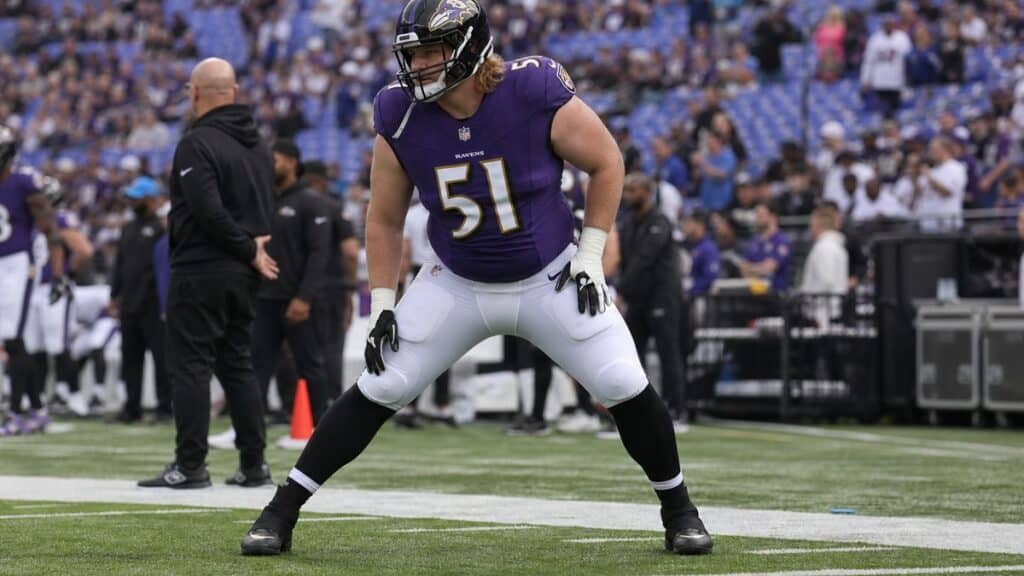
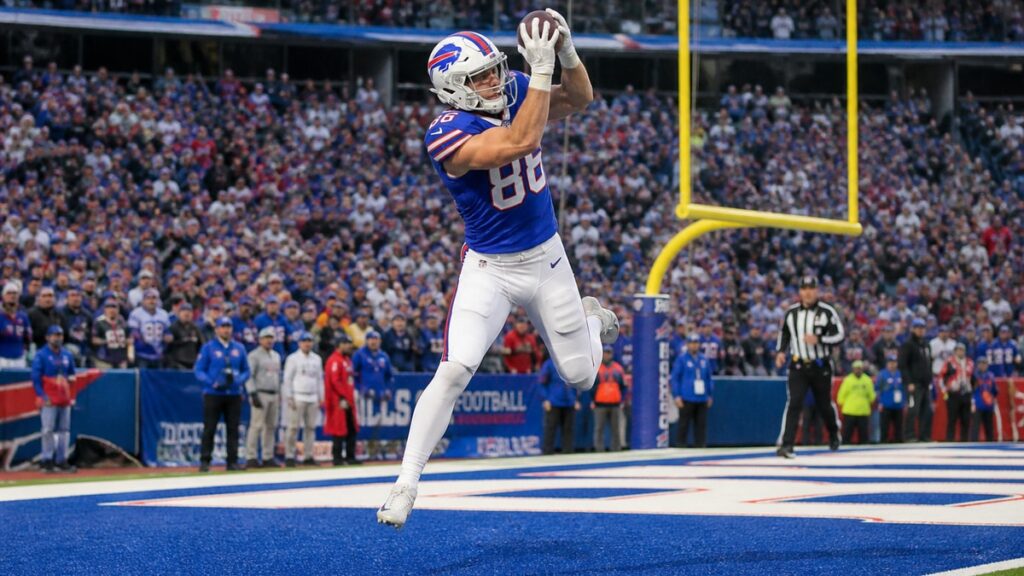
Dalton Kincaid sits in what most rankers call the last true “late-round option” tier alongside Mark Andrews, Isaiah Likely, Jake Ferguson, Dallas Goedert and Chig Okonkwo — proven target earners without a massive ceiling but real weekly floor. Kincaid’s ADP has settled in the TE17 range, which is a steep discount for a player who’s flashed real receiving upside in the Bills’ offense. Okonkwo, now with Washington, checks in around ADP 19-24 depending on the source and offers the kind of target-earning role that consistently outproduces his draft slot.
Where the True Streaming Pool Begins
Below that tier is where the actual in-season streaming targets live. Juwan Johnson, Hunter Henry, Oronde Gadsden, Dalton Schultz, T.J. Hockenson, Kenyon Sadiq, AJ Barner and Greg Dulcich all land in the range analysts call “streamers” — matchup-dependent plays who need either the right game script or a larger role to become a usable start. Dulcich’s consensus ADP sits around 194.5, a number that reflects two lost seasons in Denver more than his current talent; he posted real receiving numbers when healthy and profiles as exactly the kind of free pickup a streaming manager should be scanning waivers for come September. Gunnar Helm in Tennessee, going around ADP 178-180 on Underdog, offers a similar bargain-bin profile with a path to a featured role if the target tree opens up.
Eighteen tight ends since 2017 have delivered TE1-caliber production despite being drafted as afterthoughts.
That track record is the entire case for streaming. It’s not about guessing right in August — it’s about staying flexible enough to add the right name in October. Rostering two of these bench-tier options at the draft’s tail end, then swapping the underperformer for a hotter waiver claim in Weeks 3 through 6, is far more efficient than burning a fourth-round pick chasing target volume from an unproven TE1.
If your league runs a best ball or DFS format alongside season-long, the streaming logic carries over directly — a Underdog Fantasy lineup benefits from the exact same discount-hunting approach at tight end.
One more layer worth building into the plan: track offensive coordinator tendencies, not just target share. A tight end stuck behind a run-heavy scheme rarely breaks out no matter how talented he is.
The Bottom Line
Streaming tight end in 2026 means anchoring your roster with one premium pick at the position — McBride or Bowers if you’re picking early enough to justify it, or a discounted Loveland if the board falls right — and then refusing to overpay for the middle class of the position on draft day.
- Draft-day targets: Dalton Kincaid, Chig Okonkwo, Isaiah Likely — proven roles at a discount
- Waiver-wire watchlist from Week 1: Greg Dulcich, Gunnar Helm, Oronde Gadsden
Stay patient, stay active on the wire, and let the season — not August rankings — decide your TE1.