
If you have seen people on social media opening trading card packs on their phones and cashing out the cards on the spot, you have seen a digital rip. They are one of the fastest-growing corners of the collectibles world, and a recent Bank of America estimate put the category at about $2 billion in annual revenue. Here is a plain-English guide to how they work and what to expect if you are new to them.
What Is a Digital Rip?
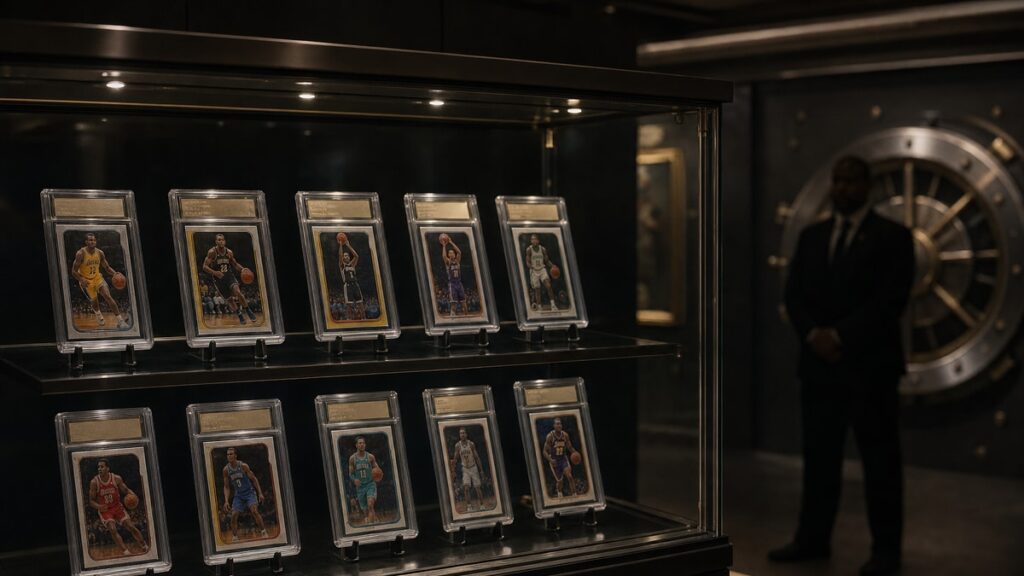
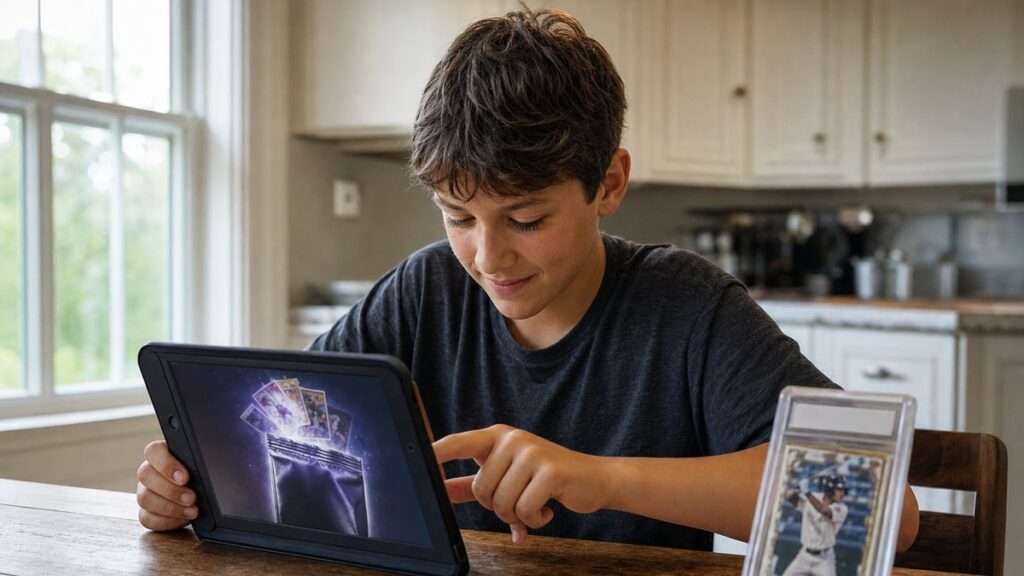
A rip is a trading card pack you buy in an app or on a website. The pack opens on screen and reveals a card. In most cases that card is a real, physical card sitting in a vault, which is what separates a rip from a video game loot box. Once you see what you pulled, you decide what to do with it.
Rips are not the same as live breaks. In a break, a host opens a sealed box on camera and splits the cards among the people who paid in. With a rip, you usually own whatever you pull.
What Happens After You Open a Pack
Most apps give you three choices once a card is revealed. Each one fits a different kind of collector.
- Sell it back: the app buys the card at a stated share of its market value, which ranges from about 90 to 100 percent on apps that publish a rate.
- Keep it in the vault: the app stores the card for you, usually for a limited time that runs from about an hour to a week depending on the app.
- Ship it: the physical card is mailed to you, and many apps charge a fee for that.
What Kinds of Cards Are in Packs?
Pokemon leads the category by a wide margin. Blockchain data cited by Bank of America attributes about 58 percent of rips to Pokemon and about 15 percent to sports. Sports packs cover basketball, football and baseball, and some apps sell graded cards that have been authenticated and sealed in a plastic slab.
How Much Do Packs Cost?
Prices span a huge range. One review of 18 apps found packs from $0.10 all the way up to $10,000. PrizePicks Packs runs from $1 to $2,500 across nine tiers, and Bank of America estimates that about 70 percent of rip volume comes from packs under $25. Higher-priced packs generally offer better odds of valuable cards, but they also put more money at risk on each open.
Why Odds Matter More Than the Chase Card
Every pack has a few jackpot cards, and those are what show up in ads. The odds table tells you how likely each outcome really is. Bank of America says the average card is worth less than the price of the pack and that apps keep at least 6 percent of spending. One platform has estimated that roughly half of standard packs return a card worth less than what you paid.
In plain terms, you should expect to lose money on average. The fun is in the chance of a big pull, not in a reliable return.
Are Digital Rips Gambling?
That is still an open question. Today, rips are treated as retail sales of collectibles, which is why they are available nationwide. Critics point out that you pay, chance decides the result and there is a possible prize, which looks a lot like a lottery. No state has challenged instant digital rips as gambling and no court has ruled, but lawyers are watching closely. Most apps require users to be 18 or older.
Who Is Offering Rips Right Now?
The field is crowded. Arena Club, co-founded by Derek Jeter, sells graded Slab Packs. Fanatics offers Instant Rips through Fanatics Live. PrizePicks, Underdog and Crypto.com have all launched rips in recent months, and Rips by Triumph is a dedicated app that leads the specialists. FanDuel is testing the category through Arena Club but has not launched its own product.
A Few Beginner Tips
Start with the cheapest pack so you can learn how the process works. Read the odds table before you open anything and check how the app handles buyback. Set a budget you are comfortable losing completely, and stop when you hit it. If spending ever feels hard to control, free help is available at 1-800-GAMBLER.