
The IRS held an open hearing on Friday, July 17, 2026, to gather feedback on proposed regulations implementing the 90% gambling loss deduction cap, a provision tucked into the One Big Beautiful Bill Act (OBBBA) that takes effect for the 2026 tax year. In the days since, tax professionals who follow the gambling industry closely have been breaking down what the rule actually means for bettors, and the picture is not a good one for anyone who gambles regularly without turning a profit.
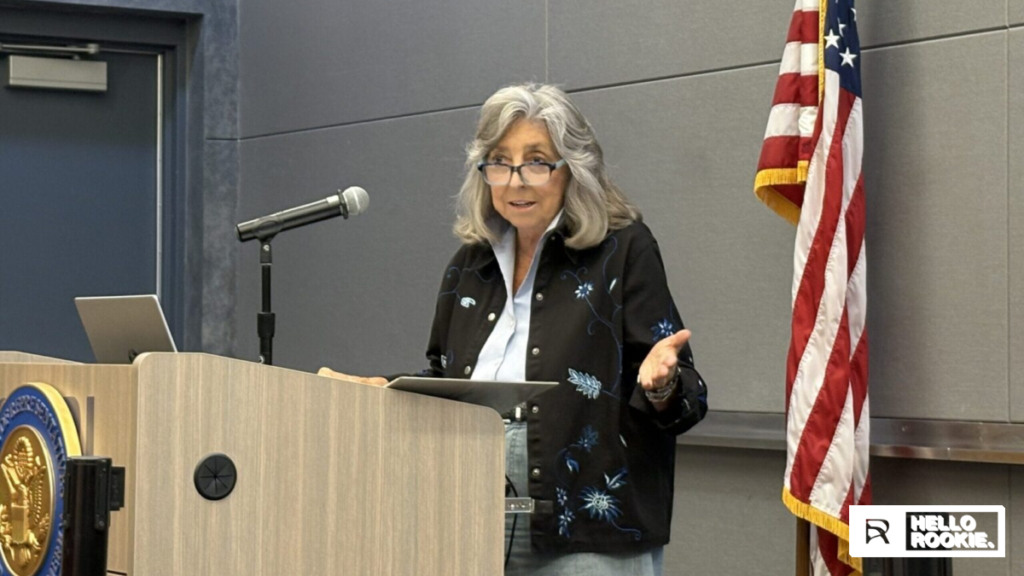
The hearing drew testimony from Nevada Representative Dina Titus, tax attorney Joshua Hamlet of Clarity Tax Counsel PLLC, Mike Vanaki of the American Gaming Association, Las Vegas-based CPA Ray Kondler of Kondler & Associates, and a number of amateur and professional gamblers. Despite their different backgrounds, every speaker pushed the same message: the 90% cap creates an unfair tax burden and should be repealed entirely, restoring full deductibility of gambling losses against gambling winnings.
What the 90% Cap Actually Changes
Under the rule that existed before OBBBA, a gambler who itemized deductions could offset 100% of their reported winnings with their losses, so someone who won $100,000 over a year and lost $100,000 chasing it would report a net result of zero. Under the new cap, created by OBBBA section 70114(a) amending Internal Revenue Code section 165(d), only 90% of wagering losses can be deducted against wagering gains in a given tax year. That same $100,000-in, $100,000-out gambler can now only deduct $90,000 of those losses, leaving $10,000 in taxable income despite never actually walking away with a profit.
Tax professionals have taken to calling this “phantom income” — money the IRS treats as taxable even though the bettor never took it home. The concern raised throughout the hearing was that this hits recreational players and grinders the hardest, since anyone who bets frequently but doesn’t finish the year ahead can still owe the IRS money on activity that netted them nothing.
Where Things Stand Heading Into 2026
The July 17 hearing was strictly about how the IRS will write the fine print of the regulation (filed as REG-113229-25), not about whether the underlying cap survives. That decision rests with Congress, and lawmakers have shown little appetite to revisit it despite bipartisan complaints. Kondler, whose Las Vegas firm specializes in gambling taxation, has previously told reporters the rule “will negatively affect the recreational player” specifically, since professionals with more sophisticated tax planning have more tools available to manage the impact.
One option gaining attention is the session method of accounting, where a bettor tracks wins and losses on a per-session basis (a single day at the tables, for example) rather than aggregating an entire year’s action into one total. That approach is permitted at the federal level, but state-level guidance on how to apply it remains limited, leaving plenty of gray area for gamblers trying to plan ahead. Kondler’s firm has also emphasized the importance of pulling an annual wage and income transcript directly from the IRS to cross-check W-2G and 1099 forms against what actually gets reported on a tax return, a step that becomes more important as reporting thresholds and deduction rules shift at the same time.
For now, the 90% cap is locked in for the 2026 tax year unless Congress acts, and anyone who bets regularly, whether recreationally or professionally, should expect their sports betting activity to look different on next year’s return even if their bottom line doesn’t change at all.