
Two Nevada congressmen from opposite parties have introduced a House bill that would effectively wipe sports betting off federally regulated prediction market platforms nationwide. Reps. Steven Horsford (D-NV) and Mark Amodei (R-NV) unveiled the Prediction Markets Are Gambling Act, which targets the event contracts that companies like Kalshi and Polymarket use to let users wager on sports outcomes.
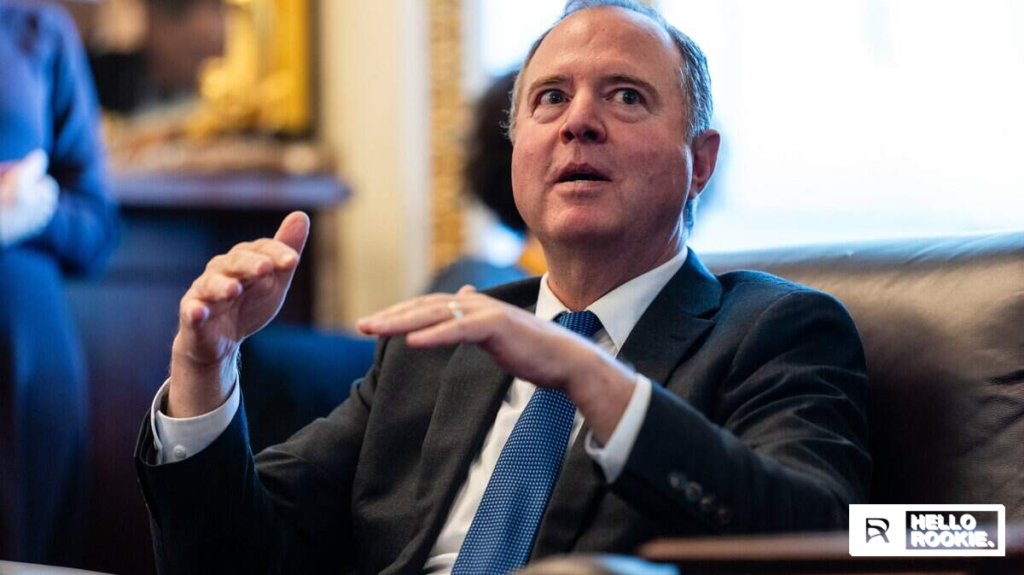
The bill is the House companion to a Senate version introduced back in March by Sens. John Curtis (R-UT) and Adam Schiff (D-CA), with Sen. Catherine Cortez Masto (D-NV) signing on as a co-sponsor. Formally filed as H.R. 9856, the legislation would amend the Commodity Exchange Act to prohibit federally registered exchanges from listing, clearing, or trading any contract tied to a sporting event, an athletic competition, or a casino-style game.
How the bill draws the line
Prediction market operators sell event contracts that let users bet on outcomes — including which team wins a given game — and they generate revenue through trading fees rather than by taking the other side of a wager, which is how they’ve argued their products aren’t gambling. The Commodity Futures Trading Commission (CFTC) currently oversees these platforms, and according to the bill’s sponsors, that oversight carries fewer consumer protections than state-licensed sportsbooks and doesn’t require the companies to pay state gaming taxes.
The legislation carves out legitimate hedging instruments — weather contracts, economic-data contracts, and similar products — which would remain under CFTC jurisdiction untouched. It also includes an explicit rule of construction stating that nothing in federal law preempts state or tribal authority over gaming, aiming to settle the jurisdictional fight in statute rather than leaving it to CFTC rulemaking or ongoing litigation.
“When it looks like sports betting, it acts like sports betting, and profits from sports betting, then it should follow the same rules as every other sportsbook,” Horsford told The Nevada Independent. “These companies are exploiting a federal loophole that allows them to effectively sidestep state oversight that every other legal sportsbook must follow. They’ve already cost states over $1 billion in lost gaming tax revenue.”
Amodei framed the bill similarly, saying it “closes a federal loophole that allows sports betting to masquerade as financial trading and ensures legitimate event contracts remain under the CFTC’s jurisdiction.” Nevada gaming regulators have already won injunctions against Kalshi and Polymarket in state court as that litigation continues.
Why sports contracts are the flashpoint
Sports contracts account for as much as 90% of trading volume on prediction market platforms, even as operators maintain the products don’t qualify as gambling since they don’t profit when a bettor loses. By one estimate, prediction markets captured more than a quarter of all U.S. sports betting activity during the World Cup this year, while Nevada sportsbooks reported their lowest Super Bowl handle in a decade — numbers the bill’s backers point to directly.
State-regulated gaming makes up more than a third of Nevada’s total revenue, and the American Gaming Association, UNITE HERE, and the Culinary Workers Union Local 226 are all backing the legislation. AGA President and CEO Bill Miller said the bill “reinforces Congressional intent that gaming is governed by state and tribal law” and called it a bipartisan effort to “stop so-called ‘prediction markets’ from offering backdoor sports betting.” UNITE HERE President Gwen Mills said the practice threatens the livelihoods of more than 100,000 union members working in casinos nationwide.
Sen. Schiff has argued sports prediction contracts amount to sports bets “just with a different name,” criticizing the CFTC for “greenlighting these markets and even promoting their growth” instead of enforcing existing law. CFTC Chairman Mike Selig, for his part, has defended the commission’s authority over the space, and the agency proposed a rule last month that would permit sports contracts nationwide — a move Horsford has described as leaving open a “backdoor” for sports betting even in states where it remains illegal.
Kalshi co-founder and CEO Tarek Mansour dismissed the Senate companion bill when it was introduced, characterizing the effort on X as the “casino lobby hard at work.” The Prediction Markets Are Gambling Act isn’t the only proposal targeting the industry — Rep. Dina Titus (D-NV) has introduced a similar bill without a Republican co-sponsor, and Reps. Blake Moore (R-UT) and Salud Carbajal (D-CA) have proposed a broader measure that would also ban contracts tied to elections and other high-profile events.
What comes next
For now, the bill has been referred to the House Committee on Agriculture, and its path forward is far from guaranteed. Horsford has said the more targeted scope of his bill — focused specifically on sports and casino-style contracts rather than a wider swath of political and financial event markets — could make it more viable than competing proposals. “Talking to colleagues on both sides of the aisle, they see this as a real problem,” he said.
The debate lands at a moment when bettors are already tracking live sports betting odds across a growing number of platforms, from licensed sportsbooks to prediction markets operating in a legal gray area. Whether Congress ultimately settles the question in statute or leaves it to the CFTC and the courts, the outcome will shape which apps can legally offer sports wagering nationwide — and under whose rules.