
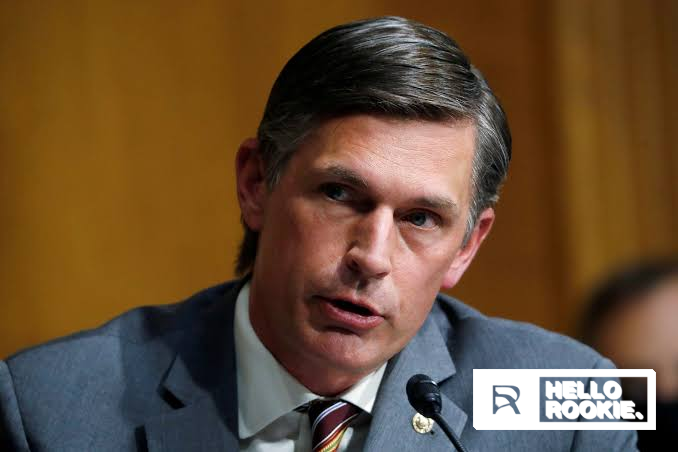
U.S. Sen. Martin Heinrich (D-N.M.) and a coalition of New Mexico tribes and pueblos are pressing Republican lawmakers to add guardrails around prediction markets, warning that the fast-growing platforms threaten tribal gaming rights and could reshape how Americans bet on sports without any state oversight. Heinrich sent a letter Friday to the Republican chairmen of two Senate committees weighing legislation on digital assets, arguing that the bills as written would strip accountability from online platforms letting users bet on sports and other events.
The letter, signed by Heinrich and 11 other Democratic senators, takes aim at the CLARITY Act and the Digital Commodity Intermediaries Act, both of which deal with cryptocurrency and digital asset markets but, according to the senators, contain language that would shield sports and event-betting apps from meaningful federal or state accountability. The senators wrote that the “rapid expansion” of these platforms “poses an existential threat to tribal sovereignty by undermining the revenue that tribes rely on for government services.”
New Mexico Tribes Already in Court Over Kalshi
The senators’ letter lands amid an active legal fight in New Mexico itself. The Mescalero Apache Tribe, Pueblo of Isleta, Pueblo of Pojoaque, and Pueblo of Sandia filed a joint federal lawsuit against Kalshi, one of the largest prediction market operators, alleging its sports-based event contracts violate the Indian Gaming Regulatory Act along with state and tribal gaming compacts. New Mexico’s Class III compacts currently authorize only in-person sports betting on tribal land, and the tribes argue Kalshi’s ability to be accessed on their sovereign property undermines that exclusive arrangement. Kalshi has moved to dismiss, arguing tribal sovereignty doesn’t extend to regulating a nonmember, federally registered exchange operating nationwide.
New Mexico isn’t an outlier. Tribal nations in California and Wisconsin have brought similar IGRA-based claims against Kalshi, with mixed results so far — a federal judge in Wisconsin found the Ho-Chunk Nation showed a “likelihood of success” in its case, while a California court sided with Kalshi on similar grounds. State gaming regulators in Nevada, Massachusetts, and elsewhere have pursued parallel actions, with a Massachusetts judge issuing a preliminary injunction against Kalshi’s sports contracts and Nevada winning a similar block that’s now on appeal.
Why the CLARITY Act Matters Here
The CLARITY Act and the Digital Commodity Intermediaries Act were written primarily to establish federal rules for cryptocurrency and digital asset trading, giving the CFTC clearer jurisdiction over that market. But because prediction market platforms like Kalshi structure their sports contracts as federally regulated “event derivatives” rather than traditional wagers, broad digital-asset legislation can end up drawing sports betting into its scope almost as a side effect. Heinrich’s letter argues that as currently drafted, both bills would cement that federal umbrella over sports-outcome betting without requiring the same consumer protections, age verification, and problem-gambling safeguards that licensed state sportsbooks must build in.
What It Means for the Legal Sports Betting Market
Prediction markets like Kalshi and Polymarket operate under Commodity Futures Trading Commission oversight, letting them offer sports-outcome contracts to users 18 and older in all 50 states — bypassing the licensing, taxation, and age-21 requirements that regulated sportsbooks must follow. That structural difference is exactly what has state regulators, tribal governments, and now members of Congress pushing back, arguing the platforms function like unlicensed sportsbooks while avoiding the compliance costs and revenue-sharing built into every state’s regulated market.
The fight has already spread well beyond New Mexico. At least 20 federal lawsuits nationwide are now testing whether prediction markets should be treated as financial exchanges or as gambling operators subject to state licensing, according to legal trackers following the litigation. New York’s gaming commission ordered Kalshi to stop advertising and offering sports contracts in the state, prompting the company to sue; similar disputes have played out in Maryland, New Jersey, Connecticut, and Tennessee, where a federal court temporarily blocked state enforcement against Kalshi in January. The patchwork of rulings so far shows courts are still drawing the line between what counts as a “federally regulated contract” and what amounts to old-fashioned sports wagering under a new name.
For bettors and operators already navigating the legal sports betting landscape, the outcome of this fight carries real weight. If courts or Congress ultimately side with tribes and state regulators, prediction markets could face the same licensing and compliance framework as traditional sportsbooks, potentially reshaping where and how millions of Americans currently access sports-betting-style products. If Kalshi and similar platforms prevail, it could pressure states to reconsider their own tribal gaming compacts and licensing structures to compete on a more level playing field. With litigation piling up in multiple federal courts, several legal observers expect a case in this space to eventually reach the Supreme Court.